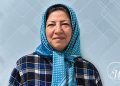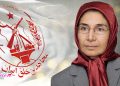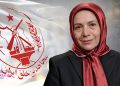

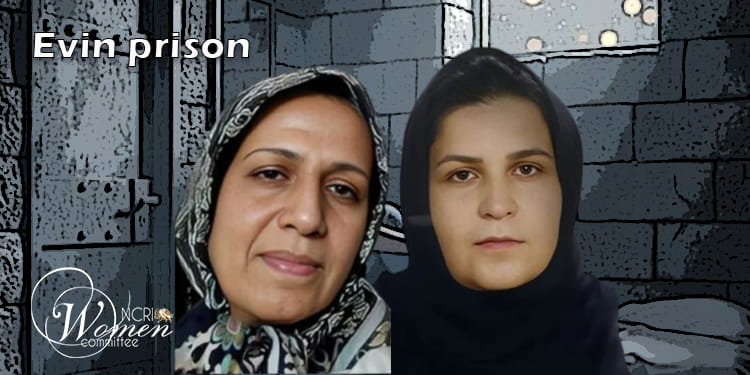
New reports from Evin Prison indicate a deepening crisis in the provision of medical services within the women’s ward, intensifying concerns over the health and safety of female political prisoners, including Shiva Esmaeli and Elaheh Fouladi.
Female political prisoners in Evin Prison are facing severe restrictions in access to physicians, medication, and specialized medical treatment. Many prisoners suffering from serious medical conditions have been systematically deprived of essential care, with necessary treatments repeatedly and indefinitely delayed.
Shiva Esmaeli, a political prisoner, is reportedly enduring acute pain caused by spinal canal stenosis and lumbar vertebral complications. Despite the urgent need for specialist examinations and transfer to external medical facilities, her treatment has been postponed for months, leaving her without adequate medical attention.
Similarly, Elaheh Fouladi, another political prisoner, is suffering from serious knee and lower back conditions. According to reports, she requires surgery due to the presence of a tumor. Although a hospital appointment had previously been scheduled at Tajrish Hospital, her transfer has been suspended, effectively blocking her access to vital medical services.
Deteriorating Conditions Amid Heightened Tensions
General conditions inside Evin Prison have significantly worsened, particularly following recent developments and heightened tensions, placing prisoners’ health at even greater risk. Inadequate sanitation, poor food quality, and the inefficiency of the prison infirmary have not only hindered the recovery of ill inmates but have also contributed to the spread of illness among the prison population.
Further investigations point to the absence of minimum living standards in certain wards, including a shortage of beds that forces some prisoners to sleep on the floor. Substandard hygiene and nutrition conditions have compounded the physical and psychological strain on detainees.
Reports also indicate that even basic expenses related to food, hygiene, and medical treatment are, in many cases, imposed on the prisoners themselves, an additional burden that exacerbates both economic hardship and medical vulnerability among political detainees.
Taken together, these conditions have pushed the situation of political prisoners in Evin Prison to a critical threshold, heightening international concern over the humanitarian consequences of continued medical neglect.