
Thursday, July 30, 2026
  • English
  • Français
  • فارسی
  • عربى
PODCASTS
NCRI Women Committee Women Resistance Freedom
  • Home
  • NEWS
    • Women’s News
    • Articles
    • Statements
  • PUBLICATIONS
    • Monthlies
    • Documents
    • Reference Library
  • ABOUT US
    • The NCRI Women’s Committee
    • Gender Equality
    • Women’s Platform
  • MARYAM RAJAVI
    • Maryam Rajavi
    • Maryam Rajavi Speeches
    • The Plan on Women’s Rights and Freedoms
    • Ten-Point Plan for the future of Iran
  • VANGUARDS
    • The Fallen for Freedom
    • Heroines in Chain
    • Women of Iranian Resistance
    • Famous Women
    • Women in History
  • EVENTS
    • IWD Conferences
    • Activities
    • IWD Speeches
    • Solidarity
  • VIDEO
    • Videos
    • IWD Videos
  • PODCAST
  • DONATE
  • CONTACT US
No Result
View All Result
NCRI Women Committee Women Resistance Freedom
  • Home
  • NEWS
    • Women’s News
    • Articles
    • Statements
  • PUBLICATIONS
    • Monthlies
    • Documents
    • Reference Library
  • ABOUT US
    • The NCRI Women’s Committee
    • Gender Equality
    • Women’s Platform
  • MARYAM RAJAVI
    • Maryam Rajavi
    • Maryam Rajavi Speeches
    • The Plan on Women’s Rights and Freedoms
    • Ten-Point Plan for the future of Iran
  • VANGUARDS
    • The Fallen for Freedom
    • Heroines in Chain
    • Women of Iranian Resistance
    • Famous Women
    • Women in History
  • EVENTS
    • IWD Conferences
    • Activities
    • IWD Speeches
    • Solidarity
  • VIDEO
    • Videos
    • IWD Videos
  • PODCAST
  • DONATE
  • CONTACT US
No Result
View All Result
NCRI Women Committee
No Result
View All Result
Home Monthlies
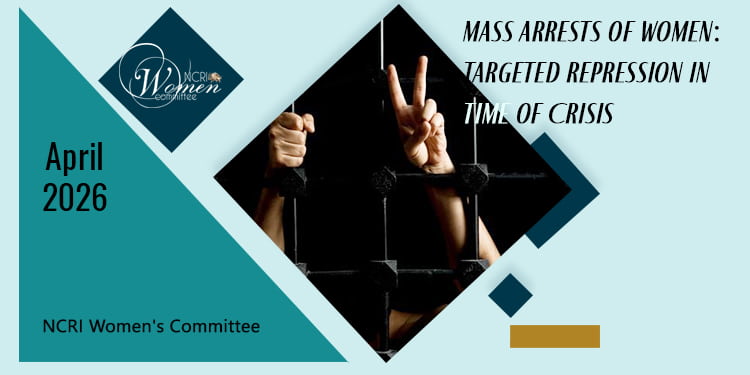
April 2026 Report: Mass Arrests of Women: Targeted Repression in Time of Crisis

April 2026 Report: Mass Arrests of Women in Iran

April 30, 2026
in Monthlies

April 2026 Report: Mass Arrests of Women: Targeted Repression in Time of Crisis

April saw a surging wave of mass arrests and targeted repression against Iranian women, marking a strategic escalation of control amidst the ongoing crisis. This period was marked by sweeping arrests, harsh judicial rulings, and escalating harassment of the families of political prisoners and those killed during the 2026 uprising. This report sheds light on the plight of women as deepening political crises and information blackouts continue to mask the true scale of these human rights violations.

Monthly April 2026_EN_finalDownload

The Iranian regime has once again exploited the atmosphere of tension and the war crisis it has imposed on the Iranian people to intensify domestic repression. While public attention was partially diverted toward regional developments and the war, security apparatuses systematically expanded the scope of internal control and crackdowns.

Field reports indicate that a wave of daily arrests has been unleashed, targeting women and young girls. These detentions are often carried out under the guise of vague security charges and without any semblance of transparent judicial processes. In many of these instances, these women and girls are being apprehended alongside their spouses or other family members.

These arrests are considered part of a deliberate policy aimed at instilling fear and trepidation, designed to preempt the emergence of any further uprisings.

On April 19, 2026, Ahmadreza Radan, the Commander-in-Chief of the State Security Force (SSF), announced the arrest of 1,800 individuals during a televised interview. Of this number, 700 were detained due to their activities on social media networks. (Fars News Agency, April 19, 2026) While he did not specify the exact timeframe for these arrests, it is suspected that they have occurred since the onset of the war or in the aftermath of the January 2026 uprising.

Simultaneously, the heavy presence of security forces in cities and the escalation of a repressive and militarized environment have directly impacted the daily lives of citizens, including women. Street-level monitoring, direct pressures, and mounting restrictions have effectively rendered presence in public spaces a perilous challenge.

The Iranian regime’s judiciary often carries out these arrests under charges such as “collaboration with the enemy,” “Moharebeh” (enmity against God—a charge that can carry the death penalty), or “propaganda against the state,” all justified under the pretext of “national security.” Due to widespread internet blackouts and the strictly controlled flow of information, precise figures for these arrests remain unavailable; nevertheless, estimates indicate the detention and imprisonment of a significant number of women and girls.

In this regard, Mohammad Bagher Ghalibaf, the Speaker of the regime’s Parliament, addressed the state forces, emphasizing: “Do not abandon the strait of the streets.” (Tasnim News Agency, March 30, 2026) Furthermore, media outlets close to security agencies have underscored the importance of a continuous presence of forces in the streets to control and suppress protests.

This comes as the National Council of Resistance of Iran (NCRI) issued a statement announcing that more than 50,000 individuals were arrested during the nationwide protests between December 28, 2025, and January 14, 2026. Among them is a significant number of women, youths, and university students, many of whom have been victims of enforced disappearance. Currently, they are being subjected to torture and face unfair trials and death sentences. To date, nine protesters detained during the January uprising have been executed.

Previously, Massoumeh Ebtekar, the former head of the Directorate for Women and Family Affairs, noted in an op-ed that 77% of those detained during the January 2026 nationwide protests are under the age of 30, including 17% who are high school students and 6% university students. (Etemad Newspaper, April 15, 2026)

Execution as a Tool of Intimidation: Women Facing Death Sentences

The death penalty continues to be wielded as one of the regime’s primary tools for instilling terror and thwarting the expansion of social protests. Between March 19 and April 25, 2026, eight political prisoners—members of the People’s Mojahedin Organization of Iran (PMOI/MEK), the regime’s principal opposition—along with nine young protesters detained during the January uprising, were executed.
April 2026 Report: Mass Arrests of Women: Targeted Repression in Time of Crisis
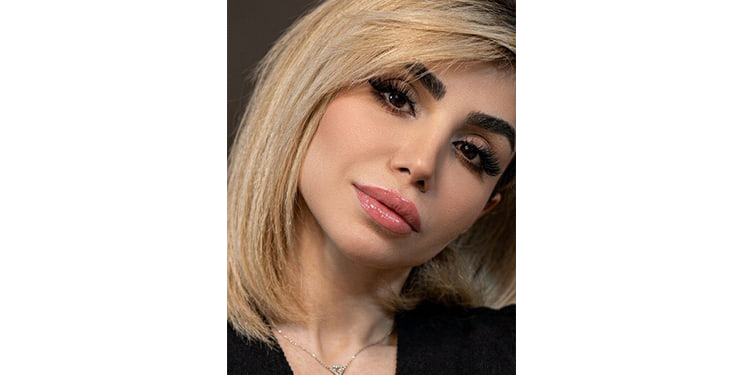
Bita Hemmati

Amidst this crackdown, dozens of female protesters have either been sentenced to death or are facing capital charges that carry the death penalty. Bita Hemmati, a protester from the January 2026 uprising, was sentenced to death in late April following months of interrogation and intense pressure. Furthermore, the judiciary confiscated the assets of both her and her husband, who is facing similar charges.

Maryam Hodavand, a 45-year-old mother of two, is another detainee of the January 2026 nationwide protests. Currently held in Evin Prison, she has been sentenced to death. Additionally, another female protester, whose identity remains unverified, has also received a death sentence.

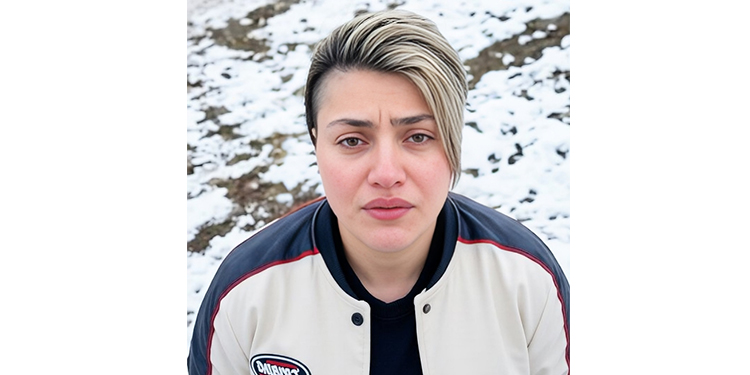
Furthermore, Mahboubeh Shabani, 33, from Mashhad, is being held in Vakilabad Prison on the charge of ‘Moharebeh’. This charge, which can lead to a death sentence, was brought against her in connection with her efforts to transport wounded protesters to medical centers during the January uprising.
April 2026 Report: Mass Arrests of Women: Targeted Repression in Time of Crisis
Mahboubeh Shabani

Fatemeh Abbasi, a 34-year-old woman and mother of a 13-year-old daughter, who was arrested alongside her father during the nationwide protests in January, was recently transferred to the women’s ward of Evin Prison after enduring weeks of torture and interrogations aimed at extracting forced confessions. Fatemeh has been sentenced to 25 years in prison, while her father has received a death sentence.

Pressure on Families: Women Survivors of Executed Political Prisoners

The families of those executed or killed during the January 2026 uprising are by no means exempt from the regime’s systemic harassment.

These families seek only to hold funeral services; however, not only are the bodies of their loved ones withheld, and their burial sites kept secret, but the families themselves face threats of arrest.

Families are forcibly deprived of their right to hold mourning ceremonies and memorial services.

These actions reflect a systematic effort to prevent the emergence of any form of social solidarity or movements for justice centered around the victims. Such conduct not only violates the fundamental rights of these families but also imposes a severe emotional and psychological toll on the surviving women, especially mothers.
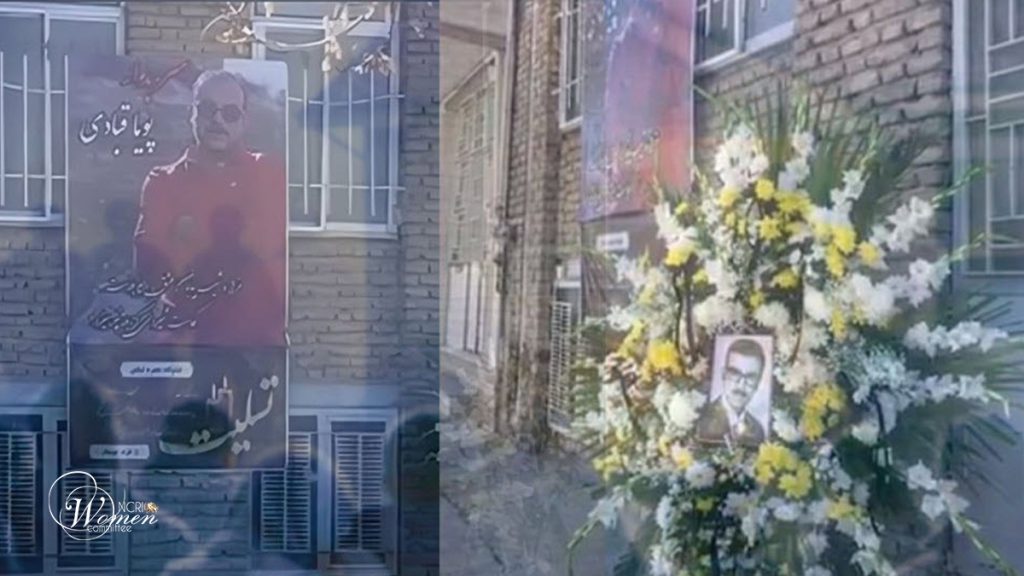
April 2026 Report: Mass Arrests of Women: Targeted Repression in Time of Crisis
Pouya Ghobadi’s portrait on the wall of his family house

For instance, on April 2, 2026, a group of people in the city of Sonqor gathered in front of the residence of Pouya Ghobadi’s family to show their support. This gathering took place despite a heavy deployment of security forces in the streets and alleys leading to the house. Pouya Ghobadi, a political prisoner and member of the PMOI/MEK, had been executed in Gezel Hesar Prison just days earlier, on March 31.

Participants in this gathering expressed their solidarity with Pouya’s family, particularly with the mother of this executed freedom fighter. They honored the memory of the political prisoner, who had been an active member of the “No to Executions Tuesdays” campaign. However, security agents forced the family to remove the martyr’s portrait from their wall and violently dispersed the crowd. Despite the crackdown, a group of mothers who had entered the house chanted protest slogans as they departed.

Where is the Main Enemy?

The series of measures taken by the clerical regime in the midst of war—ranging from imposing prison sentences on PMOI and uprising detainees to intensifying repression, insisting on “not abandoning the strait of the streets,” and accelerating the issuance and execution of death sentences—all point to one reality: the religious dictatorship’s profound dread of an imminent surge in social protests. It reveals a regime terrified of an uprising far greater than that of January 2026.

The clerical regime, which puts on a front of bravado and bullying against foreign adversaries, reveals the true address of its main enemy through the execution of Iran’s finest and most selfless youth. These actions unmask a dictatorship that identifies its greatest threat not abroad, but in the courage of its own people.

The true address of the “main enemy” is the Iranian people and their organized resistance. It is found within every Iranian household that shelters its brave, freedom-seeking children. This is precisely why the regime is paralyzed with fear of the streets. Even amidst the conditions of war and bombardment, it has been forced to deploy its agents and their families into the streets in a desperate attempt to maintain control.

Today, more than ever, it is incumbent upon global public opinion and the international community to recognize the organized resistance of the Iranian people. They must uphold the right of the Iranian people and their resistance, including the struggle of the Resistance Units and rebellious youth, to overthrow the regime. Now is the time for the world to stand firmly on the side of the people of Iran.


Tags: executionPrisoners
ShareTweetPinShareSendShare

Related Posts

Iran: Women Arrested in the January 2026 Uprising Face Prison Terms and Detentions

July 27, 2026
Iran: Women Arrested in the January 2026 Uprising Face Prison Terms and Detentions

As Iranian authorities continue to prosecute women arrested during the January 2026 uprising and other detainees, several women have faced prison sentences, prolonged detention, or continued legal uncertainty....

Read moreDetails

Iran: Over 300 Women Held in Extreme Heat in Ahvaz Sepidar Prison

July 24, 2026
Ahvaz Sepidar Prison A glance at the conditions of women in Iranian prisons women's ward of Sepidar Prison

Reports from the women's ward of Ahvaz Sepidar Prison describe critical and inhumane conditions for female prisoners. Severe overcrowding, the absence of cooling systems, poor sanitation, and extensive...

Read moreDetails

Iran: Political Prisoner Parisa Kamali Denied Medical Care in Yazd Prison

July 23, 2026
Iran: Political Prisoner Parisa Kamali Denied Medical Care in Yazd Prison

Political prisoner Parisa Kamali, detained in Yazd Prison, continues to be denied adequate medical care despite suffering from hyperthyroidism and requiring specialized treatment. Delays in specialist examinations, thyroid...

Read moreDetails

Iran: Evin Prison Denies In-Person Family Visits to Women Political Prisoners

July 21, 2026
Evin Prison: Hot Water Cut Off, Severe Shortages of Basic Supplies and Medication Reported

Women political prisoners held in the women's ward of Evin Prison were denied in-person family visits on Sunday, July 19. Instead, they were only permitted to communicate with...

Read moreDetails

Iran: Protesters Sentenced to Jail and Flogging; Prison Term Upheld on Appeal

July 20, 2026
Iran: Protesters Sentenced to Jail and Flogging; Prison Term Upheld on Appeal Two Women Face 74 Lashes and 7 Years Prison over Iran Protests

Protesters Sentenced to Jail and Flogging; Prison Term Upheld on Appeal Fariba Hosseini, a 37-year-old dentist based in Shiraz, has been sentenced by Branch 1 of the Revolutionary...

Read moreDetails
Next Post
Buried Alive in the Boiler Room, by Azam Haj Heydari, Part 4

Buried Alive: Breaking Prisoners in the Boiler Room

Documents

Call for Immediate Action to Halt the Death Sentence of Arghavan Fallahi

Sign our Statement to Halt the Death Sentence of 25-Year-Old Political Prisoner Arghavan Fallahi

July 10, 2026

Statement Calling for Immediate Action to Halt the Death Sentence of 25-Year-Old Political Prisoner Arghavan Fallahi We express our profound...

The Ineffectiveness of Population Policies in Iran: Economy, Aging, and the Overlooked Rights of Women

The Ineffectiveness of Population Policies in Iran: Economy, Aging, and the Overlooked Rights of Women

July 10, 2026

Abstract: A compilation of official data, media reports, and disclosures published in April, May, and June 2026 demonstrates that Iran...

Crushed by Design: Structural Crises and Inequitable Policies Push Female-Headed Households to the Edge

Crushed by Design: Structural Crises and Inequitable Policies Push Female-Headed Households to the Edge

May 18, 2026

Introduction Life for the Iranian people under the religious dictatorship is fraught with hardship and peril from every perspective. Whether...

Monthlies

June 2026 Report: Working Iranian Women Erased from Labor Market
Monthlies

June 2026 Report: Working Iranian Women Erased from Labor Market

July 5, 2026
May 2026 Report: The Enduring Resistance of Iranian Women
Monthlies

May 2026 Report: The Enduring Resistance of Iranian Women

May 31, 2026
April 2026 Report: Mass Arrests of Women: Targeted Repression in Time of Crisis
Monthlies

April 2026 Report: Mass Arrests of Women in Iran

April 30, 2026
March 2026 Report: How Iranian Women Are Shaping the Resistance
Monthlies

March 2026 Report: Courage Under Fire

April 3, 2026

Articles

The 1988 Massacre: The Greatest Unpunished Crime Against Humanity

The 1988 Massacre: The Greatest Unpunished Crime Against Humanity

July 28, 2026

The Glorious Epic of Resistance by PMOI Women in the Anti-Human Clerical Regime's Prisons The massacre of over 30,000 political...

The Hidden Victimization and Exploitation of Widows in Iran

The Hidden Victimization and Exploitation of Widows in Iran

July 23, 2026

Exploitation of widows in Iran Introduction: The survival of the mullahs' regime rests on two fundamental pillars: overt suppression in...

Widows in Iran: An Analysis of Legal Challenges and the Structure of Discrimination

Widows in Iran: An Analysis of Legal Challenges and the Structure of Discrimination

July 17, 2026

Introduction: In the political and legal structure governing Iran, misogyny and gender discrimination have been institutionalized as a fundamental principle,...

The Fallen for Freedom

Fatemeh Alizadeh, a 28-year-old pregnant woman
The Fallen for Freedom

Fatemeh Alizadeh

July 29, 2026
Sahar Bayat was killed on January 8, 2026
The Fallen for Freedom

Sahar Bayat

July 23, 2026
Saba Negahban, known as "Venus," was killed on Friday, January 9, 2026, by direct fire from the regime’s suppressive forces
The Fallen for Freedom

Saba Negahban

July 22, 2026
Parastou Namavar was fatally shot by Iranian regime forces
The Fallen for Freedom

Parastou Namavar

July 18, 2026

ABOUT US

NCRI Women Committee

We work extensively with Iranian women outside the country and maintain a permanent contact with women inside Iran. The Women’s Committee is actively involved with many women’s rights organizations and NGO’s and the Iranian diaspora.
The committee is a major source of much of the information received from inside Iran with regards to women. Attending UN Human Rights Council meetings and other international or regional conferences on women’s issues and engaging in a relentless battle against the Iranian regime’s misogyny are part of the activities of members and associates of the committee.

CATEGORIES

  • Activities
  • Articles
  • Documents
  • Famous Women
  • Heroines in Chain
  • IWD Conferences
  • IWD Speeches
  • IWD Videos
  • Maryam Rajavi
  • Maryam Rajavi Speeches
  • Monthlies
  • Podcast
  • Reference Library
  • Solidarity
  • Statements
  • The Fallen for Freedom
  • Videos
  • Women in History
  • Women in Leadership
  • Women of Iranian Resistance
  • Women's News

BROWSE BY TAG

Child marriage coronavirus education execution forced hijab Gender Gap Generation Equality Honor killings Iran Teachers Maryam Akbari Monfared Nurses Plan on Women's Rights and Freedoms Poverty Prisoners Protests rural women Saba Kord Afshari The girl child Violence against women Women's Leadership Women Heads of Household Zeinab Jalalian

The copyright of all the material published on this website has been registered under © 2016 the Women’s Committee of the National Council of Resistance of Iran. To obtain permission to copy, redistribute or publish the material published on this website, you should write to the NCRI Women’s Committee. Please include the link of the original article on our website, women.ncr-iran.org.

Welcome Back!

Login to your account below

Forgotten Password?

Retrieve your password

Please enter your username or email address to reset your password.

Log In

Add New Playlist

No Result
View All Result
  • Home
  • News
    • Women’s News
    • Articles
    • Statements
  • Publications
    • Monthlies
    • Documents
    • Reference Library
  • About Us
    • The NCRI Women’s Committee
    • Gender Equality
    • Women’s Platform
  • Maryam Rajavi
    • Maryam Rajavi
    • Maryam Rajavi Speeches
    • Ten Point Plan for Iran
    • The Plan on Women’s Rights and Freedoms
  • Vanguards
    • The Fallen for Freedom
    • Heroines in Chain
    • Women of Iranian Resistance
    • Famous Women
    • Women in History
  • Events
    • IWD Conferences
    • Activities
    • IWD Speeches
    • Solidarity
  • Video
    • Videos
    • IWD Videos
  • Podcast
  • DONATE
  • Contact us
  • فارسی
  • عربی
  • Français

The copyright of all the material published on this website has been registered under © 2016 the Women’s Committee of the National Council of Resistance of Iran. To obtain permission to copy, redistribute or publish the material published on this website, you should write to the NCRI Women’s Committee. Please include the link of the original article on our website, women.ncr-iran.org.