The 95th week of the “No to Execution Tuesdays” campaign was marked across 54 prisons in Iran, as many prisoners continue their hunger strikes.
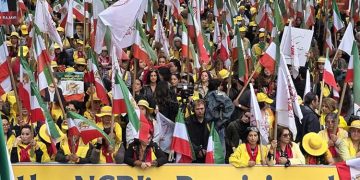
This week, organizers commemorated the victims of the November 2019 protests, reaffirming the campaign’s deep connection to the broader popular resistance against state repression. This week’s statement reads, “The memory of the November victims, more than 1,500 women, men, and teenagers who lost their lives in the struggle for freedom, remains our guiding light. We are committed to continuing their path until the machinery of executions is dismantled and freedom and equality are achieved. As long as injustice persists, November endures.”
The Central Role of Families of Political Prisoners Facing Execution
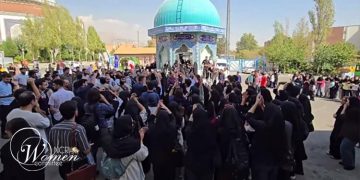
At the heart of this campaign stands the unwavering presence of families of political prisoners sentenced to death, an element that has become one of its most human and powerful dimensions. These families, who have lived for years under security pressure, threats, and deprivation, now stand on the front lines. Carrying the photos of their loved ones, they have transformed the message of “No to Execution” into a collective and enduring demand.

Mothers Seeking Justice: The Amplified Voice of Protest
In a recent gathering, the mother of Shahrokh Daneshvarkar, a political prisoner on death row, held up her son’s photo and cried out: “No to execution—do not execute our children!”
In another scene, families seeking justice held banners urging the public:
“Support No to Execution Tuesdays. No to execution—for anyone, ever.”
Their images and testimonies have now become part of society’s collective memory, symbols of courage, endurance, and resolve. These voices have infused new life into “No to Execution Tuesdays,” turning it into the persistent outcry of mothers and victims of state repression.