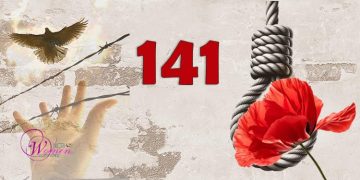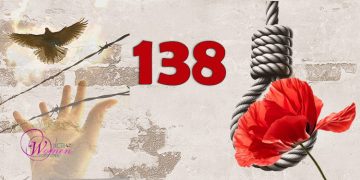


The 94th week of the protest campaign “No to Execution Tuesdays” was marked by a collective hunger strike of prisoners in 54 prisons nationwide. This week, male inmates at Zahedan Prison also joined the movement, declaring their solidarity with the nationwide struggle against the death penalty. Their participation signals the growing unity among prisoners and the resilience against the regime’s death-driven policies.
In the campaign’s latest statement, organizers declared, “No government can silence the resounding voices of truth, justice, and freedom through executions. We call on all awakened consciences to turn the cry of ‘No to Execution’ into a powerful wave in every city and street.”
The statement also highlighted the case of Reza Abdali, an Ahwazi Arab political prisoner recently sentenced to death, demanding the immediate revocation of his execution order and the end of the death machinery in Iranian regime’s prisons.

The Leading Role of the Justice-Seeking Families
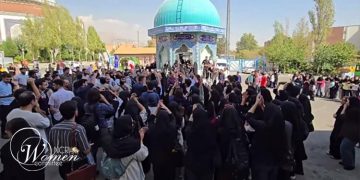
Families of political prisoners sentenced to death remain at the forefront of this movement. Mothers of the executed and the condemned, known as the Justice-Seeking Mothers, continue to hold weekly gatherings, raising photos of their children and chanting slogans such as: “No to execution — don’t kill our children!” and “We stand with “No to Execution Tuesdays”
In one of these rallies, the mother of Shahrokh Daneshvarkar held up his photo alongside images of other prisoners on death row, crying out: “Stop the executions! Don’t kill our children!”
The Bani-Amerian and Ghobadi families also joined with banners supporting the campaign, amplifying the call of protest to the public sphere.

From Prison Cells to a Nationwide Movement
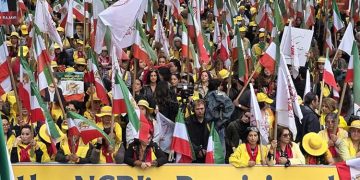
The “No to Execution Tuesdays” campaign, which began two years ago with the support of justice-seeking families, has now turned into a nationwide and widespread movement. Every week, in dozens of cities, people hold small gatherings, share videos, and launch online campaigns to keep the slogan “No to Execution” alive.
What began as a call from inside prison walls has now transcended those walls, becoming a symbol of social resistance against state repression and the culture of death imposed by Iranian regime.