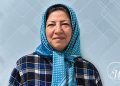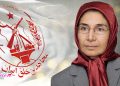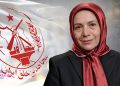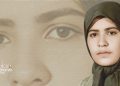

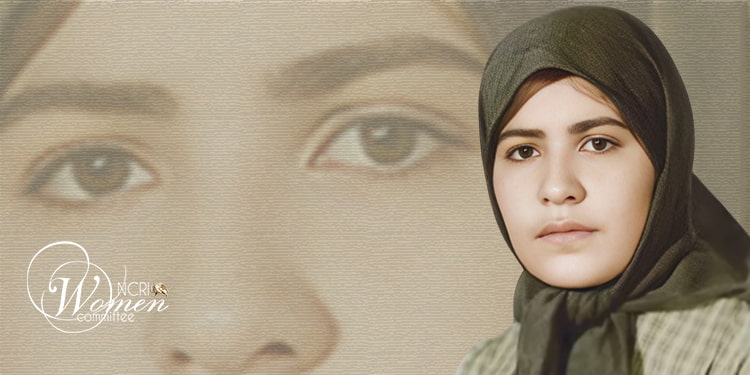
Fereshteh Azhadi was born in 1956 in Mashhad, where she completed her primary and secondary education.
From an early age, she was drawn into political activism, influenced by her family’s close connections to prominent resistance figures of the People’s Mojahedin Organization of Iran (PMOI/MEK), including the PMOI founder Mohammad Hanifnejad, as well as Fatemeh Amini and Mansour Bazargan. These ties ignited her commitment to struggle during her high school years, setting her on a path that would define her life.
Following the crackdown of September 1971, Fereshteh intensified her efforts, making frequent trips to Tehran and maintaining close contact with the families of PMOI members. After completing her secondary education, she moved to Tehran despite facing family challenges and took residence in the home of Massoumeh Shademani, known as “Mother Kabiri.”
It was there that a raid by SAVAK agents changed the course of her life. The discovery of organizational pamphlets led to her arrest and transfer to the notorious Komiteh Moshtarak (Joint Committee) detention center, where she endured severe torture.
When interrogators uncovered her familial connection to Fatemeh Amini, who was then underground, the pressure on Fereshteh escalated dramatically. Ultimately, a military tribunal sentenced her to two years in prison. She was released in early winter of 1976, several months after completing her sentence.
Undeterred by imprisonment, Fereshteh Azhadi resumed her efforts to reconnect with the PMOI. By 1978, she had reestablished direct contact with the organization. From that moment on, she devoted herself entirely to her responsibilities, working tirelessly with unwavering determination.
After the anti-monarchical revolution, Fereshteh became active at the organization’s headquarters in the Alavi Foundation before continuing her work in provincial affairs and later in the archival department. In the autumn of 1979, she married fellow activist Hamid Khademi. Their union brought forth a son, whom they named Nasser in memory of a fallen PMOI supporter, Nasser Mohammadi.
In the final phase of political activity before the armed resistance, Fereshteh worked in the labor section, contributing to the publication Bazoo-ye Enghelab (The Arm of the Revolution).
From 1980 onward, she served in the central office under the responsibility of Ashraf Rajavi. Known for her sincerity, sharp intellect, and remarkable composure, Fereshteh earned the admiration of her peers. Her sense of duty, resilience, and calm endurance in the face of hardship became defining traits, especially during the turbulent years of urban armed struggle in 1981 and 1982.
Following June 20, 1981, and the onset of armed confrontation with the ruling regime, Fereshteh joined resistance bases alongside her husband and comrades, taking on a range of critical responsibilities.
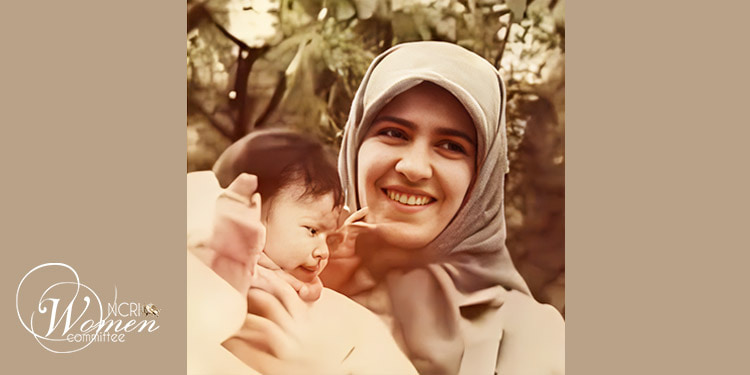
Her journey came to a tragic yet resolute end on May 2, 1982. Fighting alongside her husband, her mother, and fellow resistance members against Revolutionary Guards, Fereshteh bid farewell to her one-year-old son, Nasser, and embraced martyrdom, joining the ranks of those who gave their lives in the struggle for freedom in Iran.
Fereshteh Azhadi’s life stands as a powerful testament to courage, conviction, and sacrifice, an enduring symbol of resistance in modern Iranian history.