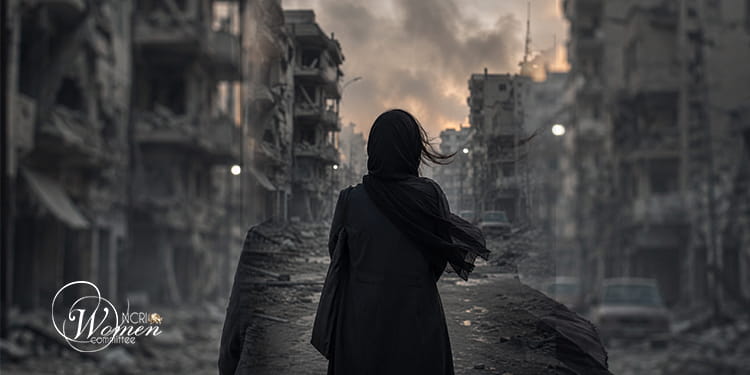
The war and intensifying economic crises in recent months have exerted the greatest and most direct pressure on Iranian women, placing them on the frontline of vulnerability as the psychological resilience of families sharply declines.
The inevitable consequence of these conditions is an unprecedented rise in domestic violence against women, a violence that increasingly manifests in complex psychological, emotional, and economic forms, severely jeopardizing both their physical and mental safety.
The Changing Face of Domestic Abuse Under Economic Stress
Livelihood pressures, severe economic insecurity, and war-induced anxiety have fueled an escalation of abusive behaviors against women within the home. While domestic violence was once primarily recognized through physical assault and battery, women now constantly face emerging and pervasive forms of abuse, such as systematic humiliation, threats, extreme control, deliberate deprivation of financial resources, and continuous psychological distress.
These behaviors, running parallel to physical violence, emotional abuse, and neglect, inflict profound psychological attrition on them.
Despite the vast scale of these injuries, many female victims are deterred from pursuing legal recourse due to exhaustive barriers in judicial processes, a complete lack of social and economic support structures, and the immense challenge of legally proving psychological and financial abuse.
These legal and institutional gaps, combined with financial dependency, block any path to escape, forcing a massive number of distressed and traumatized women to remain trapped within the self-perpetuating cycle of violence.
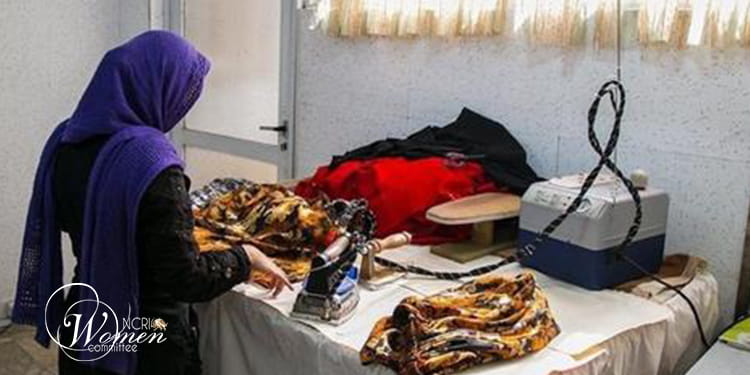
Accounts documented by safe shelters also point to a direct relationship between economic insecurity and the rise in domestic abuse. Field observations indicate that access to income, employment, and the ability to meet basic living expenses are among the most important factors enabling women to leave abusive relationships. Conversely, economic crises, the consequences of war, rising unemployment, business closures, and increasing living costs have left women more vulnerable to abuse than ever before.
In many cases, women have shouldered not only financial pressures but also primary responsibility for caring for their families, raising children, and managing daily household life. Even women working remotely continue to face expectations that they fulfill traditional domestic responsibilities in full.
Financial Hardship and the Return to Abusive Environments
One of the most alarming consequences of poverty has been the return of some women to abusive environments. Rising housing costs, job losses, and the inability to cover basic living expenses have forced some women to resume living with abusive partners.
Fatima Babakhani, founder of the Mehr Shamsafrid Safe Shelter, which supports survivors of domestic abuse in northwestern Iran, said that during the first weeks of the recent war, a significant share of those seeking assistance came from families facing severe financial hardship following sudden unemployment or workplace closures.
According to her, the loss of income, combined with mounting economic pressures, has intensified family tensions and domestic abuse. She also stressed that abuse is not limited to physical violence. Restricting women’s freedom of movement, cutting off their contact with relatives and friends, denying them access to financial resources, controlling their bank accounts, and creating a constant sense of psychological insecurity are all forms of abuse that have increased in recent months. (Sharq daily, June 27, 2026)
Impact on Children and Traditional Social Pressures
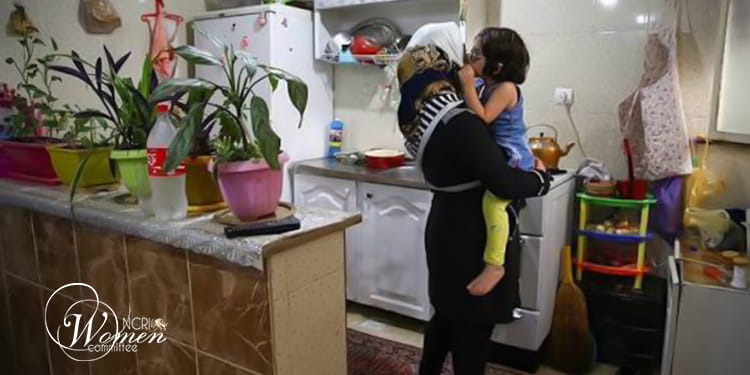
Reports also indicate that anxiety and mental health problems among children and adolescents have risen during this period, while conditions have become more conducive to gender-based violence.
Fahimeh Haddadi, a child and adolescent therapist and board member of the Association for the Protection of Children’s Rights, said that what is being observed today is not merely an increase in violence but also a growing number of referrals to counseling centers and increasingly complex cases requiring specialized intervention.
According to her, most documented cases involve psychological and emotional abuse. Although these forms of abuse often leave no visible injuries, they have profound and lasting consequences for mental health, particularly among children. (Sharq daily, June 27, 2026)
In some regions, economic hardship combined with traditional social structures has intensified violence against women and children. Obeid Malek Raeisi, a teacher and social activist in Sistan and Baluchestan Province, said many cases of domestic abuse are never reported to official authorities because families fear social stigma or seek to preserve their reputation.
He also pointed to increasing pressure on adolescent girls to enter forced marriages as a consequence of economic hardship, a phenomenon that is frequently accompanied by physical and psychological abuse.

Marginalization and the Call for Systemic Change
Homeless women, women struggling with substance addiction, and women caught in cycles of social marginalization remain among the groups most vulnerable to violence. Many face not only poverty but also social exclusion, domestic abuse, illness, and accumulated deprivation. Without adequate economic or social support, they remain continuously exposed to physical, psychological, and sexual violence.
Mounting economic pressures, expanding poverty, declining access to social and healthcare services, and growing social insecurity have made it increasingly difficult for these women to escape cycles of abuse. Under such conditions, some women are forced to accept unwanted relationships simply to meet their most basic needs, leaving them even more vulnerable to exploitation and violence.
What is visible today more than anything else is the deepening and eroding forms of violence against women. The continuation of war, poverty, and economic crises has not only affected the security and livelihood of families, but has also driven the most vulnerable women of society into a cycle of violence—a cycle whose breaking will ultimately be achieved through the overthrow of the misogynistic regime of the mullahs and the establishment of a democratic republic that recognizes the equal rights of women and all members of society.