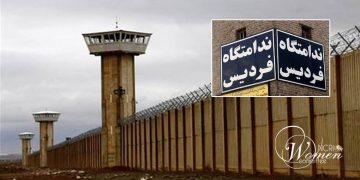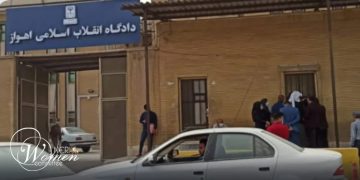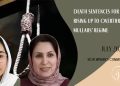

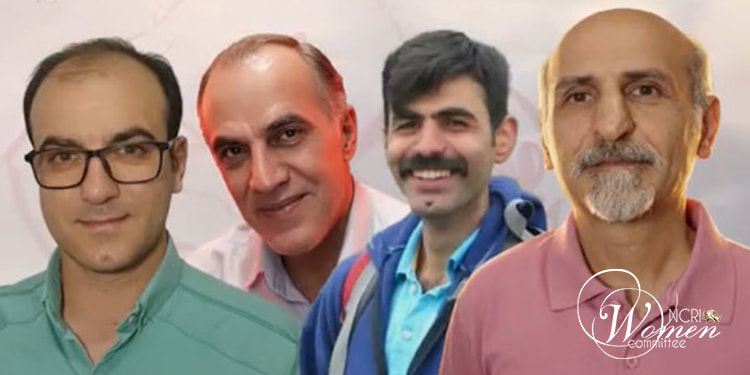
Despite pleas from their mothers and widespread international outcry, the clerical regime executed four political prisoners on March 30 and 31, 2026: Mohammad Taghavi Sangdehi, Akbar Daneshvarkar, Babak Alipour, and Pouya Ghobadi.
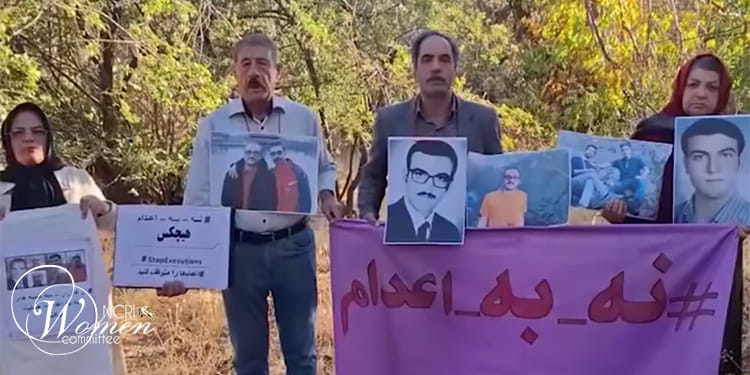
The parents of Akbar Daneshvarkar and Pouya Ghobadi were among the justice-seeking families who supported the “No to Execution Tuesdays” campaign and participated in protests every Tuesday for two years. They called for a halt to executions for anyone, anywhere.
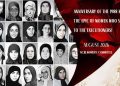
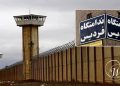
The four political prisoners were members of the main Iranian opposition group, the People’s Mojahedin Organization of Iran (PMOI/MEK), and had been imprisoned for over two and a half years, enduring torture, solitary confinement, beating and mistreatment in harsh prison conditions. They were secretly executed without being granted a final visit with their families.

Pouya Ghobadi, 33, was an electrical engineer. Babak Alipour, 34, was a graduate of law.
Akbar Daneshvarkar, also known as Shahrokh, was 60 years old and the father of a teenage son. Mohammad Taghavi, also 60, had previously been imprisoned during the 1980s and 1990s.
Carrying out such criminal executions in the midst of an external war constitutes an explicit admission by the ruling clerics that their principal enemy is the Iranian people and Resistance.
The brutal execution of these four political prisoners reflects the clerical regime’s fear and desperation in the face of a discontented population and its growing support for the Resistance Units and the Liberation Army.
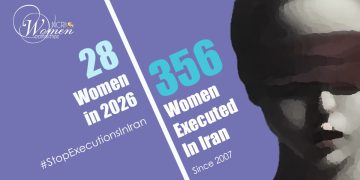
The NCRI Women’s Committee urges the international community to convene a special session of the United Nations to address the series of executions in Iran and to take immediate, concrete measures to save the lives of political prisoners and activists who are at risk of execution.