
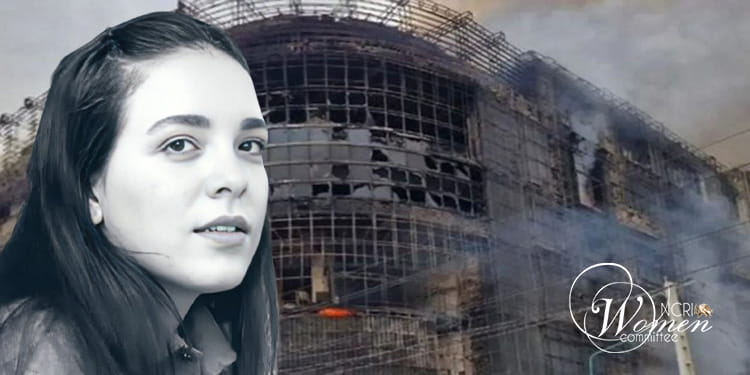
On the evening of Tuesday, May 5, 2026, the Arghavan commercialcomplex in Shahriar County, west of Tehran, became a death trap for dozens of citizens who found themselves with no escape amidst flames and thick smoke. In the heart of this tragedy, the deaths of at least four women once again pulled back the curtain on a bitter reality: under the misogynistic rule of the clerics, the security and lives of women hold the lowest value compared to the profiteering of rent-seeking gangs.
Names That Serve as an Indictment of Systematic Corruption
Zahra Farahmand (40), Bahar Mehdipour (26), Golnoosh Baharlou (29), and Shokoufeh Hassanvand (40)—these are not just names of fire victims; they are living witnesses to a structure where “regime survival” and “official profiteering” take absolute priority over the “human right to life.” These women were victims of oversight bodies that had long ago buried their safety under piles of bribes and negligence.
State Media Admits to the Commercial Complex’s Unsafe Conditions
Despite initial attempts by security agencies to portray the incident as “fate and destiny,” facts published by the clerical regime’s own media outlets revealed the dimensions of this organized crime:
A Time Bomb in the Facade: The head of the Shahriar Fire Department explicitly admitted to Mehr News Agency on May 5, that the primary cause of the rapid and uncontrollable spread of the fire was the use of “unstandardized and flammable composite cladding.” The use of these materials in public buildings is prohibited by the regime’s own regulations, yet the builder’s rente[1] (political influence) bypassed the law.
Performative Fire Suppression Systems: Field reports published by local sites and Rokna indicate that the complex’s automatic sprinkler system failed to activate during the incident. This means the safety certification for this 250-unit building was issued solely through bribes and paperwork.
Death Trap in the Stairwells: According to eyewitnesses and unofficial reports on social media, the emergency exits and fire escapes were either blocked or, due to design flaws, turned into tunnels of thick smoke instead of leading people to safety.
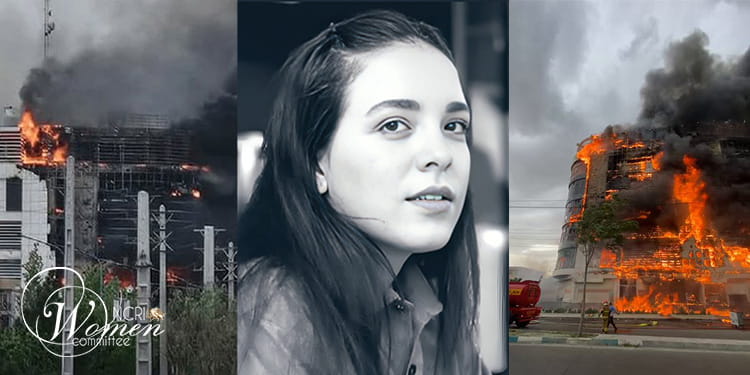
Bahar Mehdipour: A Symbol of Resilience and Responsibility
At the center of this tragedy, the heroic story of Bahar Mehdipour, the 26-year-old secretary of the “Tamax” gym, painted a picture of the splendor of Iranian women’s self-sacrifice. In the peak of the crisis, Bahar displayed commendable courage by saving all the girls present at the gym, being the last person to attempt an exit.
In this ruined economic structure, where she was concerned about her only means of communication and work tool (her mobile phone) and the potential entrapment of others, she returned inside and perished amidst the flames. Her sacrifice stands in direct contrast to the incompetence of officials who only issue theatrical “arrest warrants” after a disaster has occurred.
The Regime’s Priority: Mandatory Hijab or Workplace Safety?
The Arghavan Complex tragedy poses a fundamental question to society: How is it that astronomical budgets and the regime’s full logistical power are spent deploying suppressive agents to commercial complexes to control women’s clothing, yet when it comes to life safety and fire standards, everything is reduced to “builder error”?
In a structure that views women as second-class citizens, the safety of their workplace is also at the lowest level of priority. From Plasco and Metropol[2] to the Sina Athar Clinic, and now “Arghavan,” the primary victims are always the people working in environments lacking safety infrastructure.
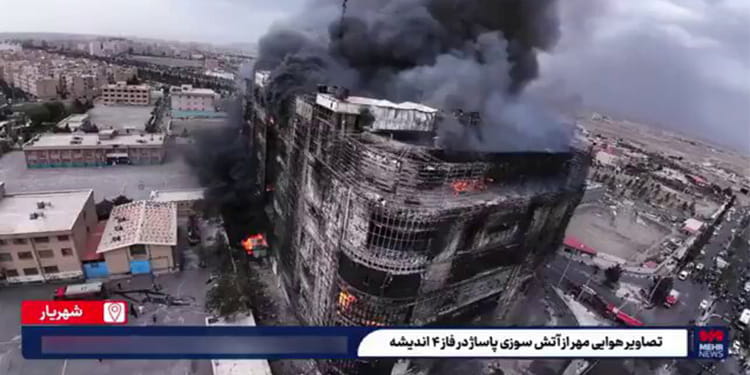
From Metropol to Arghavan: Where Does This Chain End?
The deaths of these four women are not an “unforeseen accident,” but an “organized crime” resulting from state corruption. As long as Iran’s national wealth is spent on the machinery of suppression against women and the export of terrorism, rather than equipping fire stations and urban renewal, every commercial complex could become the site of another such tragedy.
The response to this incompetence lies in the solidarity and resistance of women and youth who will not rest until this corrupt structure is fundamentally changed and a government is established that guarantees the right to life and security for all citizens.
[1] Rente (Rant): In the Iranian context, Rant refers to unearned wealth or advantages gained through political connections and “insider” status rather than merit or legal competition.
[2] Plasco / Metropol: Major Iranian disasters caused by negligence: Plasco (2017) was a high-rise collapse in Tehran; Metropol (2022) was a building collapse in Abadan that sparked nationwide protests against corruption.