
Continued Pressure on Female Political Prisoners in Iran
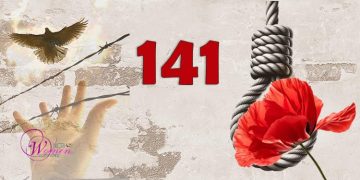
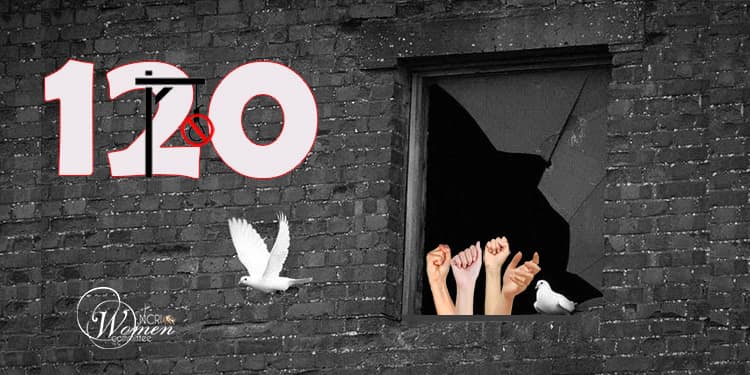
In the 120th week of the “No to Executions Tuesdays” campaign, political prisoners across 56 prisons in Iran once again launched a hunger strike on Tuesday, May 12, 2026, despite intensifying pressure and mounting restrictions.
The continuation of these protests comes as prison authorities in recent weeks have attempted to halt prisoners’ participation, particularly that of female political prisoners, through threats, disciplinary punishments, and tighter restrictions.
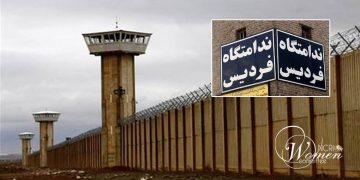
Reports from Evin Prison indicate that pressure on women political prisoners has increased significantly. According to these reports, Zahra Safaei, Forough Taghipour, Marzieh Farsi, Elaheh Fooladi, Arghavan Fallahi, Shiva Esmaeili, and Golrokh Iraee, who had previously been banned from family visits for three weeks due to their participation in the “No to Executions Tuesdays” campaign, have now been subjected to an additional three-week visitation ban after once again taking part in the protests.
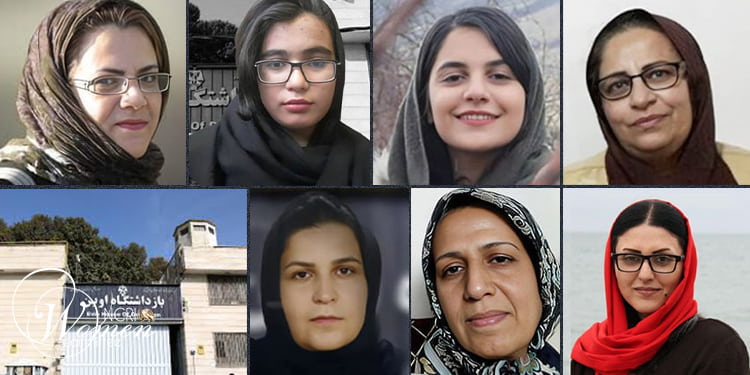
At the same time, dozens of other prisoners have reportedly faced disciplinary measures and new restrictions solely for being present in the prison yard or witnessing the prisoners’ protest gatherings.
Part of the latest statement issued by the “No to Executions Tuesdays” campaign refers to the heightened security atmosphere following the outbreak of war, stating that the Iranian regime has intensified its crackdown on society and political dissent under the cover of wartime conditions. The statement further emphasizes that at least 23 political and security-related prisoners have been executed since the beginning of the Iranian year 1405 (March 21, 2026).
The statement also highlights ongoing pressure on the families of executed prisoners, noting that, even after 40 days, the bodies of several executed political prisoners, including Vahid Bani Amerian, Pouya Qobadi, Babak Alipour, Akbar (Shahrokh) Daneshvarkar, Mohammad Taghavi, and Abolhassan Montazer, have still not been returned to their families.