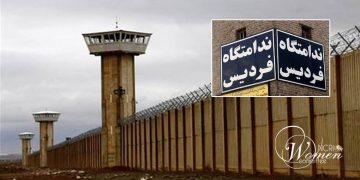

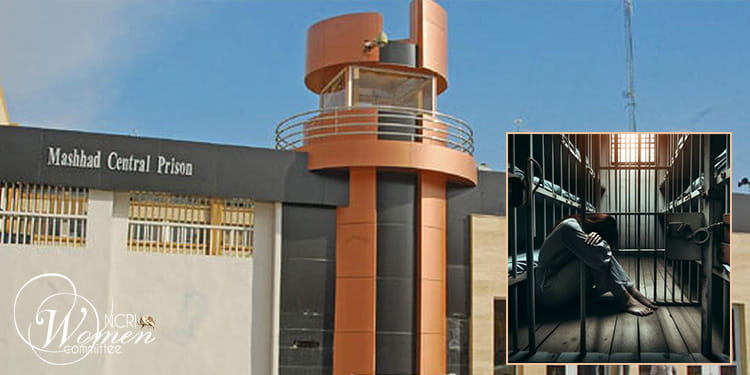
The “Aramesh” ward at Vakilabad Prison in Mashhad houses a number of female prisoners. At present, at least 23 women are being held in this ward, some of whom were arrested during the January 2026 protests, as well as others detained amid the onset of military tensions and the intensified security climate that followed.
In addition, at least seven other female prisoners are being held in the prison’s quarantine ward. Accordingly, the total number of women held in the Aramesh and quarantine wards at Vakilabad Prison is estimated to be at least 30.
These wards suffer from a lack of basic facilities, including proper ventilation, adequate sanitation and bathing infrastructure, sufficient bedding, and appropriate access to medical care.
Detention process
The detention process for these individuals typically begins with their transfer to Ward 6, where female detainees are held incommunicado and denied visitation rights throughout the interrogation phase. After interrogations conclude, prisoners over the age of 18 are transferred to either the Aramesh ward or the quarantine ward.
Physical conditions of the Aramesh ward
The Aramesh ward is a warehouse-like structure situated below ground level, positioned lower than other sections of the prison and facing Ward 1. Its semi-underground design contributes to its harsh conditions. A recently released protester described the ward as resembling an “ant nest.”
Low ceilings, inadequate ventilation, and insufficient windows have made breathing difficult for inmates, leading to frequent respiratory distress and panic attacks. The ward’s door remains closed except in necessary circumstances, and prisoners from other sections are not permitted to enter.
Reported issues in the Aramesh ward include a shortage of blankets and pillows, malfunctioning heating and cooling systems, and poor sanitary conditions, particularly the lack of toilets and bathing facilities proportional to the number of detainees.
For unclear reasons, the smell of sewage permeates the ward, causing significant discomfort for prisoners. The lack of proper ventilation further exacerbates these conditions.
Access to medical care
The Aramesh ward lacks adequate medical facilities. A former detainee reported that in cases of medical emergencies, prisoners must transfer the affected individual to the prison infirmary. However, due to limited resources, effective treatment is rarely provided, and the patient is typically returned to the ward without proper care.
Background of the Aramesh ward
The Aramesh ward functioned as a disciplinary and punitive unit.In the past, prisoners accused of disciplinary violations or drug-related offenses were temporarily held there. It has since been repurposed as a detention site for newly arrested individuals.