
Women at the Vanguard: Iran’s 1979 Anti-Monarchy Revolution and the Shah’s Downfall
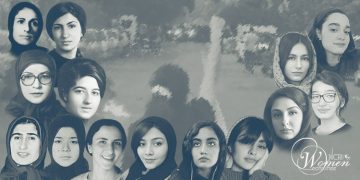
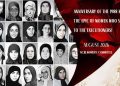
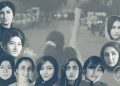
In the tumultuous 1960s and 1970s, women’s involvement in revolutionary movements—such as the People’s Mojahedin Organization of Iran (PMOI) and the Fedayeen—remained rare. Yet, these trailblazing women exerted a profound influence on female students and intellectuals of their time who brought about the 1979 anti-monarchy revolution.
Revolutionaries like Ashraf Rajavi, Fatemeh Amini, Marzieh Ahmadi Oskouei, Azam Roohi Ahangaran, Mehrnoush Ebrahimi, Ashraf Ahmadi, and Massoumeh Shademani defied threats of torture and imprisonment, paving the way for broader female engagement in Iran’s subsequent struggles for freedom.
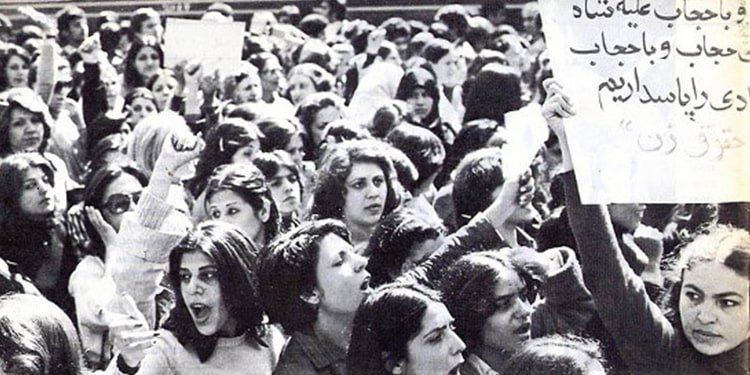
As the 1979 anti-monarchy revolution loomed, courageous Iranian women participated in myriad protests across cities, vociferously challenging the ruling dictatorship. Female students, and eventually their mothers, took to the streets, demanding liberty on an unprecedented scale.
The activism of mothers who had lost sons to martyrdom and families of political prisoners resonated powerfully. Initially gathering outside the Shah’s political prisons, they communicated a resolute message of resistance to society at large. This mobilization galvanized Iranian women against monarchical tyranny.
When the 1979 anti-monarchy revolution erupted, women played an indispensable role alongside men, their fervor undiminished. This unleashed potential showed no signs of abating.
On February 11, 1979, the Revolution—a magnificent popular movement—ushered in a new era, toppling the Pahlavi monarchy and reshaping Iran’s destiny.