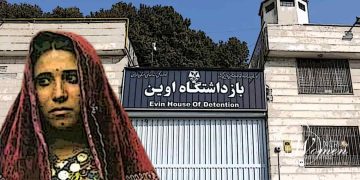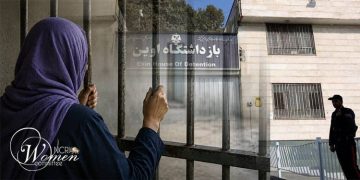


In the aftermath of the violent crackdown on the nationwide protests of 2026, alarming reports have emerged regarding conditions in the women’s ward of Adelabad Prison in Shiraz.
According to first-hand accounts from inside the prison, a large number of detainees arrested during the Shiraz protests have been transferred to this ward, an influx accompanied by unprecedented overcrowding, severe shortages of basic necessities, prolonged disruption of contact with families, and widespread violations of prisoners’ rights.
Available evidence indicates that these conditions are a continuation of the same repression carried out against protesters on the streets, now imposed inside detention facilities with the apparent aim of breaking detainees’ morale.
Unprecedented Overcrowding and Violation of Prisoner Classification Principles
Witnesses report that more than 150 individuals are being held in rooms originally designed to accommodate approximately 30 people.
Overcrowding has reached such extreme levels that breathing has become difficult, and many prisoners are forced to share beds, with two people sleeping on a single bunk. Some detainees from the nationwide protests have also been placed in rooms housing prisoners convicted of violent crimes, including murder, drug-related offenses, and theft, constituting a clear violation of the legal principle requiring the separation of prisoners by offense category.
Displacement of Long-Term Prisoners and a Public Health Crisis
Following these transfers, women imprisoned for financial offenses, along with two political prisoners previously held in the political ward of Adelabad Prison’s women’s section, have been forcibly relocated to the prison’s prayer hall. This space lacks basic facilities such as toilets and showers.
Prisoners are reportedly allowed to access quarantine sanitation facilities only after 11:00 a.m., and only in queues. This arrangement has led to severe congestion, effective denial of daily hygiene, and a significant increase in health risks for detainees.
Severe Food Shortages and Inflated Prices for Essential Goods
Food shortages in the women’s ward have reached critical levels. Reports indicate that a single meal is being divided among four people. The prison commissary is also facing acute shortages, with remaining items sold at exorbitant prices.
According to accounts from inside the prison, bottled drinking water is unavailable in the women’s ward, and the distribution of fresh produce has been suspended for approximately two months. These conditions pose a serious threat to the overall health of detainees.
Communication Blackout, Restricted Visits, and Detention of Minors
Over the past two weeks, telephone services in the women’s ward of Adelabad Prison have been completely cut, preventing prisoners from contacting their families. Visits have been permitted only during the second week and solely in the form of limited, cabin-based, and selective meetings, further intensifying families’ anxiety.
Reports also indicate the presence of school-aged students among the detainees. According to one account, the body of a detained student was covered in pellet wounds, yet she was transferred directly to a detention center and subsequently to prison without receiving adequate medical treatment. These testimonies point to the widespread arrest of minors during the nationwide protests.
Repression Transferred from the Streets to the Prison System
Taken together, these findings demonstrate that conditions in the women’s ward of Adelabad Prison are not the result of administrative mismanagement alone but rather represent a continuation of the same violent repression previously deployed against protesters in public spaces.
Following the killing of civilians, systematic pressure is imposed on prisoners through overcrowding, deprivation of food and hygiene, communication blackouts, and the detention of injured individuals without proper medical care. This approach appears aimed at suppressing and extinguishing nationwide protests.
Clear Violations of the Mandela Rules
The reported conditions in the women’s ward of Adelabad Prison stand in direct contradiction to the United Nations Standard Minimum Rules for the Treatment of Prisoners, known as the Mandela Rules. These standards emphasize the separation of prisoners, access to adequate hygiene and nutrition, regular communication with family members, and proper medical care. Extreme overcrowding, lack of sanitary facilities, food shortages, telephone cutoffs, and the transfer of injured detainees without treatment constitute clear examples of systematic violations of prisoners’ rights and of the Iranian regime’s international human rights obligations.