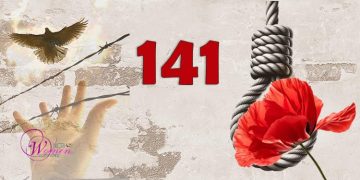


The No to Execution Tuesdays campaign has entered its 102nd consecutive week. This time, in a significant convergence with nationwide protests, the hunger strike of prisoners in 55 prisons across Iran has become part of a broader, society-wide resistance.
This sustained defiance has evolved into a powerful symbol of the defense of the right to life, human dignity, and the demand for justice in the face of the state’s machinery of repression.
In a section of the statement marking week 102 of the No to Execution Tuesdays campaign, explicit reference is made to the nationwide protests. The protesting prisoners have declared that their hunger strike coincides with the tenth day of street protests by the Iranian people against catastrophic economic and political conditions; protests whose central demand is described as an end to a system of governance that has, for decades, violated the lives and rights of its citizens.”
The signatories of the statement paid tribute to those killed during the nationwide uprising and emphasized their full solidarity with the protesters, pledging to stand firm until the end.

Justice-Seeking Families Protest as the “No to Execution” Campaign Expands
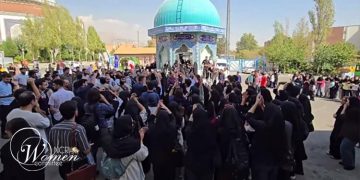
The families of political prisoners sentenced to death also actively took part this week in the No to Execution Tuesdays campaign by organizing protest actions.
The families of political prisoners sentenced to death also issued a statement expressing support for the nationwide protests, reaffirming their unequivocal opposition to executions, the suppression of protesters, and imprisonment, and calling for the unconditional release of all political prisoners.

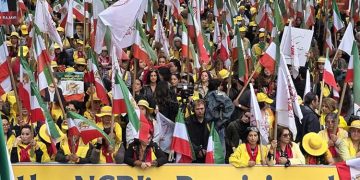
One of the defining characteristics of the current phase of the campaign is the simultaneous and widespread participation of diverse social groups alongside street protests. Students, teachers, workers, retirees, women, youth, and artists have each played an active role in demonstrations and acts of protest.
In week 102 of the “No to Execution Tuesdays” campaign, rallies and protest actions against the death penalty were held simultaneously in dozens of cities across Iran, including Tehran, Tabriz, Behbahan, Bandar Abbas, Bam, Babol, Ahvaz, Ardakan, Abadan, Shush, Shahriar, Shahrekord, Sanandaj, Saveh, Zarand, Rasht, Jahrom, Yazd, Mashhad, Karaj, Kashan, Qom, Qeshm, Ghaemshahr, Tabas, Shiraz, Fuman, Azna, Isfahan, Aligudarz, Dehloran, Firouzabad, Kerman, and Lordegan.
The broad geographical spread of these gatherings reflects the growing nationwide reach of the campaign against executions.