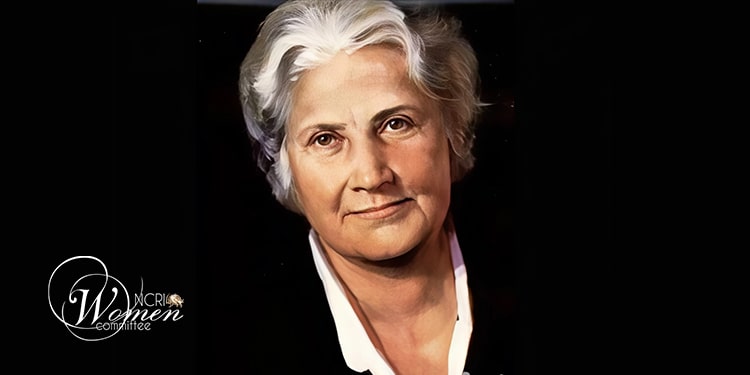
Maria Montessori (August 31, 1870 – May 6, 1952) was an Italian physician and educator whose groundbreaking ideas reshaped how the world understands childhood learning. As one of Italy’s first female doctors, Montessori entered medicine determined to challenge the era’s limited expectations for women. Her early work with marginalized and disabled children led her to a powerful insight: children learn best when they are free to explore, experiment, and think independently.
From Medicine to a New Educational Philosophy
In 1907, Montessori opened the Casa dei Bambini in a poor district of Rome. What unfolded there became known globally as the Montessori Method—an approach centered on hands-on materials, child-sized environments, and self-directed learning. Instead of lecturing, teachers served as guides, helping children build confidence, concentration, and curiosity.
The results were striking, and Montessori’s ideas quickly spread across Europe and the United States. Supporters such as Alexander Graham Bell, Helen Keller, and later Mahatma Gandhi helped propel her method into a worldwide movement.

A Global Legacy of Peace and Learning
Forced into exile under Mussolini, Montessori continued her work across Spain, India, and the Netherlands. During World War II, she developed an influential concept of education for peace, training thousands of teachers and expanding her method to new age groups.
By the time of her death in 1952, Montessori had created one of the most significant educational movements in modern history. Today, her influence lives on in more than 20,000 Montessori schools worldwide, as well as in contemporary approaches to parenting, child psychology, and creative learning.
Why Maria Montessori Still Matters
Montessori believed that education should honor the dignity and potential of every child. Her legacy endures because it offers a timeless alternative to rigid, test-driven systems—one rooted in independence, empathy, and the joy of discovery.