

Alice Ball: In the early 20th century—an era when both racial and gender barriers limited who could shape scientific history—Alice Augusta Ball emerged as a quiet revolutionary. A brilliant African American chemist from Seattle, Ball developed the first effective treatment for leprosy, a breakthrough that saved countless lives around the world. Though her work was nearly erased from the historical record, today she stands as a symbol of scientific brilliance, perseverance, and justice restored.
Early Life: A Mind Destined for Science
Born on July 24, 1892, in Seattle, Alice Ball grew up in a family that nurtured creativity and curiosity. Her grandfather, J.P. Ball, was a renowned photographer—one of the first African American daguerreotypists in the United States. But while artistry surrounded her, it was chemistry and pharmaceuticals that captivated her imagination.
She excelled academically, and by the time she enrolled at the University of Washington, her dual love for chemistry and pharmacy was undeniable. Ball completed not one but two bachelor’s degrees—one in pharmaceutical chemistry (1912) and another in pharmacy (1914). Her academic achievements would soon open the door to groundbreaking work.
Breaking Barriers in Hawaii
In 1915, Ball moved to Honolulu to pursue a master’s degree at the University of Hawaii. There, she became the first woman and the first African American to earn a master’s degree in chemistry from the institution. Her thesis on the chemical properties of the kava plant impressed faculty, securing her an instructor position.
But it was her research collaboration with the Hawaii Board of Health that would cement her place in medical history.
The Breakthrough: The “Ball Method”
At the time, leprosy, known clinically as Hansen’s disease, was one of the world’s most feared illnesses. Treatments existed, but none were effective or tolerable. Chaulmoogra oil, derived from the seeds of the Hydnocarpus tree, held promise but was difficult for the body to absorb.
Alice Ball solved this century-old puzzle.
Using her mastery of organic chemistry, she developed a technique to isolate the active ethyl esters in chaulmoogra oil, creating an injectable form that the body could absorb safely and effectively. Her innovation became known as the “Ball Method.” It was the first treatment that offered real relief—and in many cases, a cure.
For the first time, patients with leprosy could be released from isolation colonies, reuniting with families and rejoining society. It was a medical milestone with global impact.
A Life Cut Short—and a Legacy Almost Lost
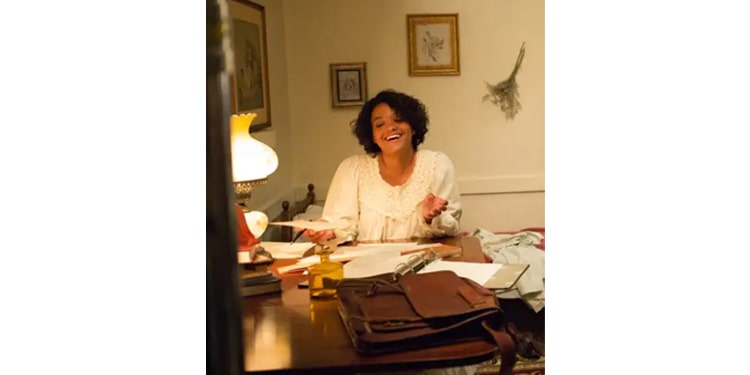
Tragically, Alice Ball died in 1916 at age 24, likely from complications related to laboratory exposure to toxic gases. Her premature death meant she never saw her method transform lives.
Worse, her work was nearly erased. Arthur L. Dean, the university’s chemist and later its president, continued her research and published findings without fully crediting her. For decades, the “Ball Method” was referred to as Dean’s method, until historians and advocates restored her rightful place in the scientific narrative.
Recognition Restored
Today, Alice Ball’s contributions are celebrated worldwide.
- In 2000, the University of Hawaii officially recognized her work and declared February 29th “Alice Ball Day.”
- In 2022, President Joe Biden signed legislation naming a federal building in her honor.
- Her story continues to be taught in STEM programs as an example of brilliance, resilience, and the importance of crediting women and scientists of color.
Why Alice Ball Matters Today
Alice Ball’s biography resonates far beyond medical history. It is a story about:
- Scientific innovation born from persistence,
- A woman breaking barriers in male-dominated academia,
- The systemic erasure of marginalized scientists, and
- The long overdue restoration of rightful credit.
Her legacy inspires a new generation of chemists, physicians, and researchers who look to her story as proof that groundbreaking science often begins in quiet, determined classrooms and laboratories.