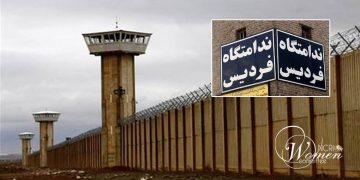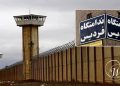


Bojnourd Prison, located in North Khorasan Province is one of the main detention centers for women in this province. In recent years, it has become a center of repression, psychological pressure, and the systematic violation of the rights of female prisoners. Women held in this facility are forced to endure inhumane conditions, deprived of basic rights, and subjected to an environment saturated with stress and humiliation.
Repressive Management and Institutionalized Psychological Pressure
Since the appointment of Reza Estaji as the director of Bojnourd Prison, psychological pressures and restrictions imposed on female inmates have escalated. At the same time, Mousavi, head of the women’s ward, has enforced harsh restrictions and constant humiliation, making life unbearable for the prisoners.
The only formal privilege granted to female inmates—a two-day furlough—has been weaponized as a tool of punishment. Returning a few minutes late can result in disciplinary hearings and the cancellation of future leave.
Blatant Discrimination and Denial of Work Opportunities
A structural issue in the women’s ward of Bojnourd Prison is the absence of employment programs. Many inmates, who hope to financially support their families through prison labor, are denied this right. Only a small number are sent outside the ward for weekend work, under heavy surveillance and constant threats.
Poor Nutrition and Critical Medical Neglect
Testimonies from female inmates reveal that prison meals lack nutritional value and are often inedible—an unofficial form of punishment that endangers prisoners’ health.
Equally alarming are reports from the medical ward. In one case, a teenage inmate with a brain tumor suffered a stroke and lost vision in her left eye due to delays in hospital transfer. Even after the incident, prison authorities refused to grant her medical furlough, forcing her family into endless bureaucratic struggles.
Toxic Environment and the Reproduction of Social Harm
According to female prisoners, the ward’s management policies—including unnecessary segregation and the creation of confined spaces—have intensified psychological distress, fostering depression and even driving some inmates back to drug use. Rather than rehabilitation, Bojnourd Prison has become a site of physical and psychological destruction for women.
Mothers and Female Breadwinners: The Most Vulnerable Victims
The heaviest burden falls on women who are both mothers and heads of households. In addition to enduring inhumane prison conditions, they carry constant anxiety of their children’s uncertain future. The denial of furloughs, absence of educational and recreational facilities, and relentless psychological pressure place this group at acute risk of crisis.
Today, the women’s ward of Bojnourd Prison stands as a stark symbol of the Iranian regime’s repressive policies against women—a place where neither basic rights are respected, nor rehabilitation is possible. Testimonies from female inmates once again highlight the urgent need for international attention and human rights monitoring of Iran’s prison system.