

The Pioneering Role of Iranian Women in the Tobacco Movement (1889-1891)
The Tobacco Movement of 1889 stands as a pivotal social and political uprising in Iran, ignited by the controversial tobacco concession granted to Britain. This historic movement emerged from a sweeping agreement between the Iranian government and British interests.
Naser al-Din Shah, following his third European sojourn, faced financial constraints related to his leisurely travels. In a calculated move, the British—through an intermediary named Gerald Talbot—secured a monopoly over Iran’s tobacco industry. Talbot’s company, Regie, assumed control, triggering widespread discontent and fueling the flames of dissent.
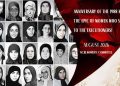
For the first time, Iranian women stepped onto the stage of social activism within the Tobacco Movement. The involvement of Iranian women in the Tobacco Movement was both spontaneous and pivotal.
Prompted by a court cleric’s counsel, Naser al-Din Shah exiled Mirza Hassan Ashtiani, a prominent cleric who staunchly opposed the tobacco concession. This decision further inflamed public anger. A massive crowd, predominantly led by women, converged on the Shah Mosque. The annals of the Tobacco Movement recount their unwavering resolve:
“The determination of these women was such that, upon the announcement of the tobacco ban, they rallied demonstrators toward Naser al-Din Shah’s palace. As they traversed the bustling bazaar, the women shuttered shops, initiating a widespread strike.”
Morgan Shuster, an esteemed American financial expert who witnessed Iran’s Constitutional Revolution, lauded the courage of Iranian women in his writings: These women have become some of the most progressive—if not radical—figures globally… Without their unwavering moral force, the revolutionary movement would have devolved into disorganized protest. In their fight for freedom and modern expression, they transcended the sacred traditions that had long oppressed women in Iran.
Among the legendary figures of Iranian women in the Tobacco Movement stands Zeinab Pasha, whose bravery echoes through generations. In Tabriz, she led the opposition during the Tobacco Movement. Zeinab organized seven groups of armed women to counter government suppression efforts. Each woman under her command led additional groups. When government forces coerced shopkeepers to reopen their stores, veiled and armed, Zeinab Pasha and her cohorts wielded weapons to defy their orders.
This successful experience birthed women’s units under Zeinab Pasha’s leadership. These clandestine groups targeted corruption whenever government tyranny exceeded tolerable limits, then vanished without revealing their identities.
The Tobacco Movement etched a historic milestone—the first extensive and forceful action where Iranian women actively participated and played a pivotal role.
Finally, on May 15, 1891, after widespread protests and bloody clashes, Naser al-Din Shah was compelled to revoke the concession—a momentous victory for the movement.