
Empowering Women in Iran: The Struggle for National Sovereignty (1951-1953)
In the early 1950s, Iran witnessed a transformative period marked by Dr. Mohammad Mossadeq’s ascendancy to the position of Prime Minister. His pivotal move—nationalizing the Anglo-Iranian Oil Company—ushered in a new era, granting Iran control over its oil industry for the first time, free from foreign influence. When the British government contested this bold action before the International Court of Justice in The Hague, Dr. Mossadeq personally championed Iran’s rights, securing a historic victory.
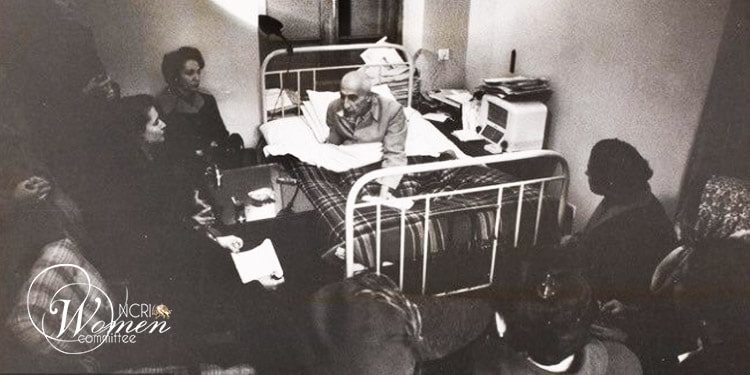
Amidst this backdrop, Iranian women emerged as unsung heroes, their resilience shaping the course of history. On January 7, 1952, courageous women and girls from various cities converged in Tehran. Standing before the National Bank of Iran, they participated in a remarkable demonstration—buying bonds and selling their possessions to support Mossadeq’s national government. Their solidarity inspired others across society to join the bond-buying movement.
However, tensions escalated. In July 1952, after Mohammad Reza Shah rejected Dr. Mossadeq’s terms, Mossadeq resigned as Prime Minister. On July 21, 1952, Tehran and other cities erupted in protests, demanding Mossadeq’s reinstatement.
The newspaper “Bakhtar Emrooz” defied censorship, reporting on July 22, 1952, that 90 lives were lost during the demonstrations. In Baharestan Square, a woman courageously stood atop others’ shoulders, delivering a speech that resonated with the swelling crowd. Authorities responded with force, resulting in further casualties.
Simultaneously, a coalition of women’s groups issued a powerful statement, demanding political and economic rights. Their words echoed: “No nation can truly progress while sidelining women. A civilization cannot thrive if women are denied equal rights alongside men.”
This chapter in Iranian history underscores the pivotal role women played—supporting the national government and advocating for their rightful place in society. Their unwavering commitment reverberates through time, a testament to the enduring struggle for sovereignty and equality.