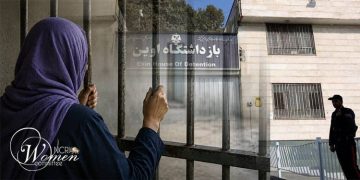


For over 400 days, Nasimeh Eslam Zehi has been held in detention without formal charges, sharing a cramped space in Tehran’s infamous Evin Prison with her seven-month-old daughter, Tasnim. Her case highlights the Iranian regime’s ongoing human rights abuses, targeting women, children, and religious minorities with impunity.
Nasimeh Eslam Zehi, approximately 40 years old, is also the mother of a two-year-old daughter named Ayesha, who was separated from her during her arrest in September 2023. Authorities claimed the child was placed in the care of Iran’s Welfare Organization, but despite repeated inquiries, Nasimeh has not been allowed to see her.
Arrest and Detention
Nasimeh Eslam Zehi and her husband, Arsalan Sheikhi, both Sunni Muslims, were arrested in Malard, a city in Tehran Province, in September 2023. After their arrest, they were transferred to Zahedan, a city in southeastern Iran and the capital of Sistan and Baluchestan Province, for interrogation. Zahedan is a hotbed of Sunni activism and has frequently been the target of government crackdowns.
Despite being in custody for over a year, neither Nasimeh nor Arsalan has been formally charged or tried. Nasimeh Eslam Zehi was later moved to the quarantine section of the women’s ward in Evin Prison, Tehran, where she gave birth to Tasnim in late April 2024.
Living Conditions
For the first 40 days of Tasnim’s life, the mother and newborn were confined in a small solitary cell with inadequate ventilation and poor lighting. They were eventually transferred to the quarantine section of Evin’s women’s ward. The conditions of the ward—a mere 12-square-meter room with only three beds—pose severe risks to both the physical and mental health of inmates, especially a vulnerable infant.
Tasnim’s presence in such an environment, deprived of proper care and resources, underscores the Iranian regime’s disregard for the basic rights of children. Experts warn that these conditions could have long-term consequences for the baby’s development.
Other Detainees in the Women’s Quarantine
Nasimeh Eslam Zehi and Tasnim share the quarantine ward with six other detainees, all foreign nationals from countries including Tajikistan, India, and Jordan. Among them are two 19-year-old sisters, Ayesha Rezai Waow and Khadija Rezai Waow, who were arrested alongside their mother, Bornagul Abdullah Waow, and three other women: Zahra Zafar, Eslam Bani Hassani, and Hajar Zaboli.
These women were transferred to Evin Prison on September 25, 2024, wearing burqas, and are also being held without clear charges. They face severe restrictions, including being denied phone calls.
Broader Implications
The Iranian regime has a history of targeting minority groups, particularly Sunni Muslims, Baluchis, and foreign nationals, often accusing them of vague “security threats.” The case of Nasimeh Eslam Zehi and her family exemplifies the regime’s brutal tactics: indefinite detention, forced separations, and abysmal prison conditions designed to break the spirit of detainees.
Nasimeh’s continued separation from her two-year-old daughter and the forced imprisonment of her newborn highlight the extent of the regime’s inhumanity. The presence of Tasnim in Evin Prison serves as a stark reminder of the Iranian regime’s willingness to exploit even the youngest and most vulnerable in its pursuit of control.