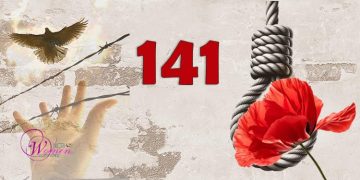

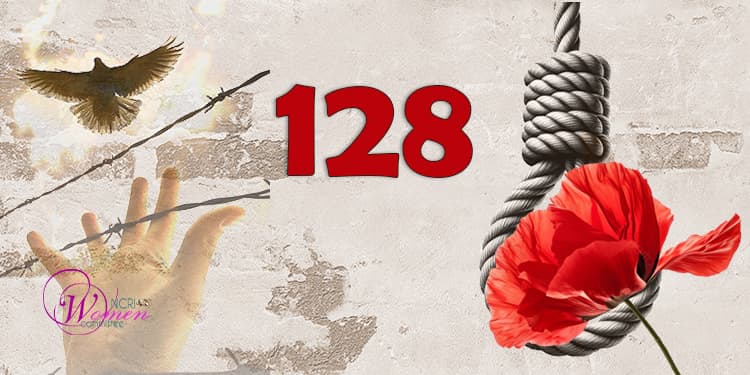
The “No to Executions Tuesdays” hunger strike campaign continued into its 128th week on Tuesday, July 7, 2026, with political prisoners across 57 prisons in Iran. By maintaining their weekly protest, participants once again expressed their opposition to the vast use of the death penalty by the Iranian regime.
The campaign is the largest and longest-running protest movements inside Iran’s prisons. Despite sustained security pressure, threats, communication restrictions, and disciplinary measures, it continues to expand.
A significant number of the hunger striking prisoners are women political prisoners, currently serving their sentences in the women’s ward of Evin Prison (Tehran), Qarchak Prison (Varamin), the women’s ward of Sepidar Prison (Ahvaz), the women’s ward of Adelabad Prison (Shiraz), the women’s ward of Zahedan Prison, the women’s ward of Yazd Prison, and the women’s ward of the Lakan Prison in Rasht.
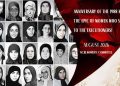
Commemorating the July 9 Student Protests
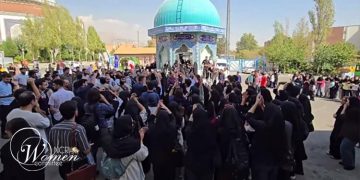
In its 128th weekly statement, the campaign commemorated the anniversary of July 9, 1999, student uprising. The statement said the student demonstrations were met with a government crackdown and that the attack on the Tehran University dormitories became one of the defining events in the history of Iran’s student movement.
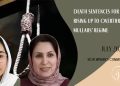
Warning Over the Increase in Death Sentences
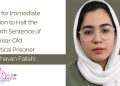
The statement also warned about the growing number of death sentences issued against political prisoners. It said that last week, political prisoner Arghavan Fallahi, who is held in the women’s ward of Evin Prison, was sentenced to death after an unfair judicial process carried out under pressure from security authorities.
The statement further referred to death sentences imposed on several people arrested during the nationwide protests of January 2026, stating that they were sentenced to death through unfair proceedings intended to intimidate society.

Call for Immediate International Action
In the concluding section of its statement, the “No to Executions Tuesdays” hunger strike campaign condemned the death penalty and called on international bodies and the global community to respond immediately to what it described as a “humanitarian catastrophe” in Iran’s prisons.
The statement notes that in many cases, the death penalty is issued behind closed doors and under mental and physical pressure and torture during the interrogation phase. The campaign has called on the international community to exert pressure to ensure compliance with the principles of due process, particularly the holding of public trials for cases that could lead to the issuance of a death sentence.