
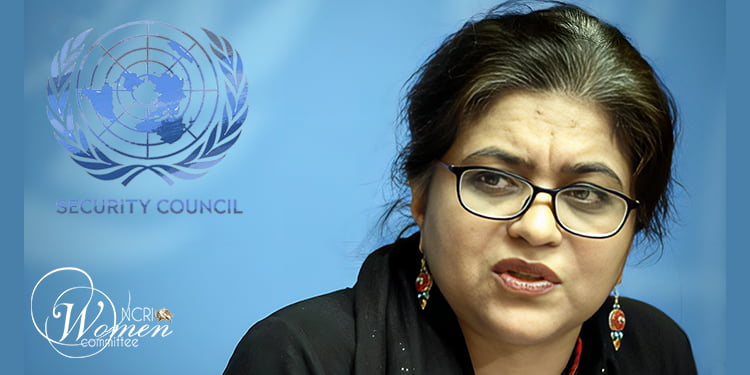
At the sixty-first session of the United Nations Human Rights Council, Sara Hossain, Chair of the Independent International Fact-Finding Mission on Iran, presented a comprehensive report outlining a deeply troubling human rights situation in the country. Drawing on extensive documentation and first-hand testimony, she warned of the continued systematic repression and the intensification of fundamental rights violations, particularly targeting women.
In her statement, Sara Hossain explained that the Mission’s work follows a mandate renewed in April 2025 by the Human Rights Council to investigate “serious and ongoing violations of human rights” in Iran. The findings are based on hundreds of pieces of evidence, including in-depth interviews with 164 victims and witnesses, conducted both inside and outside the country. The Mission also reviewed dozens of official reports published by the Iranian government.
Addressing the broader context, Sara Hossain emphasized that Iranian citizens are currently trapped in a complex and critical situation. She noted that the present climate is shaped not only by escalating military tensions and armed confrontations, but also by a longstanding pattern of domestic repression that has severely restricted civic space and eroded the rule of law.
The Chair of the Fact-Finding Mission also referred to the nationwide protests that began on 28 December 2025, stating:
“These horrors have taken place just as the Iranian people emerge from unprecedented violence unleashed upon them by their government, following the protests that began on 28 December 2025, when millions took to the streets across the country. We have already received reports that protesters and bystanders, including women and children, were killed or injured once the government began to suppress the protests.”
In another part of the statement, Sara Hossain pointed to the intensification of repressive measures following the clashes of June 2025 and added:
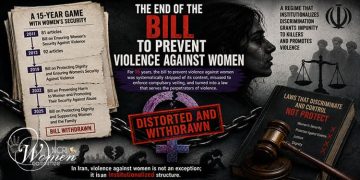
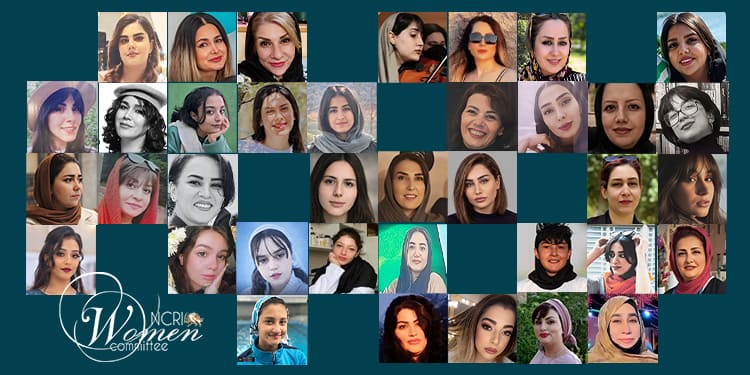
“In the aftermath of the June 2025 conflict, we found that the State increased measures of repression to suppress dissent, through large-scale arrests, detention and criminal prosecutions. Ethnic and religious minorities were subjected to criminal prosecution without respect for due process or fair trial rights. Journalists, human rights defenders, and social media users were targeted for expressing their views on the conflict or merely calling for peace. Rather than dismantling its system of institutionalized and structural discrimination, Iran continued to use mandatory hijab laws and rules as a tool to repress women and girls.”
In conclusion, the Chair of the Fact-Finding Mission called on the Iranian authorities to immediately put an end to intimidation, harassment, and arbitrary detentions.
“We call on Iran to cease intimidation, harassment, and arbitrary detention, and implement a moratorium on the use of the death penalty as a first step towards complete abolition. Transformative change is urgently required – one that ensures the voices of all Iranians, including women, young people, and minorities, can be expressed freely and without fear for their security, and that guarantees their ability to participate meaningfully in the public affairs of their own country.”