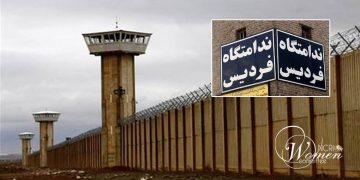


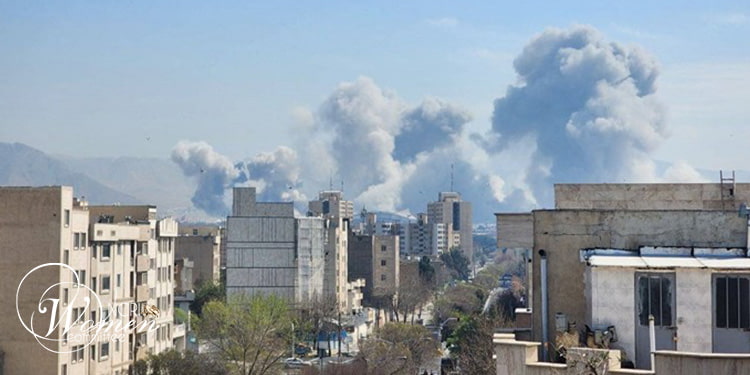
In the early hours of Tuesday, March 3, 2026, areas surrounding Imam Hossein University in Tehran and part of the perimeter wall of Evin Prison were targeted during air strikes. Sections of the prison wall were damaged. As of this writing, no verified information has been released regarding the condition of prisoners or potential casualties.
The incident has once again placed the safety of prisoners held at Evin Prison, particularly political prisoners, including approximately 200 female political prisoners and detainees of the January uprising, at the center of public concern amid escalating military threats.
Prison Staff Have Left Leaving Prisoners Behind Locked Doors
Reports indicate that since February 28, 2026, an emergency situation has prevailed at Evin Prison, disrupting its normal administrative operations. Informed sources describe severe restrictions on prisoners’ access to food and essential supplies. It is also reported that administrative staff have left the premises while prison gates remain locked. The closure of the prison store has further intensified the hardship faced by inmates.
Calls for Immediate Action to Prevent a Humanitarian Disaster
In a message posted on the social media platform X, Mrs. Maryam Rajavi the president elect of National Council of Resistance of Iran urged the international community and human rights organizations to demand the immediate release of all prisoners, particularly political detainees. She stressed that under conditions of bombardment, prisoners’ lives are more at risk than ever.
Prisoners Without Protection or Means of Escape
The physical structure of prisons inherently deprives inmates of even the most basic protective options during military crises. Prisoners have no capacity for emergency evacuation and no independent access to shelters. Under international standards applicable in armed conflict, safeguarding detainees’ lives requires the immediate reduction of prison populations and the transfer or temporary release of non-violent and non-dangerous prisoners.
Resolution No. 211 and the Judiciary’s Legal Obligations
Under Resolution No. 211 of the High Judicial Council, dated January 12, 1987, the judiciary is legally obligated during wartime emergencies to take immediate measures to protect prisoners’ lives. These measures include converting detention orders, granting conditional release, accepting bail or surety, and transferring prisoners to secure locations.
The resolution further authorizes prosecutors, where ordinary safeguards prove insufficient, to release prisoners who do not pose security risks for the duration of the emergency. Political and conscience prisoners, individuals convicted of non-intentional or financial offenses, and those serving sentences for minor crimes are among those eligible for such measures. Provision has also been made for the transfer of individuals convicted of violent offenses to secure facilities.
Legal experts emphasize that implementation of this resolution under current circumstances constitutes an urgent legal obligation and cannot be deferred.
Given the continuation of military threats, any delay in decision-making could carry irreversible human consequences. Prisoners have no capacity for self-defense against air or missile strikes. Responsibility for their protection rests directly with the judiciary and the Prisons Organization.