
From the prison memoir by Hengameh Haj Hassan – Final Part 24
In the final part of her memoir, Face to Face with the Beast, Hengameh Haj Hassan says goodbye to Shekar after a brief, fragile recovery; Shekar is repeatedly shuffled between punishment cells and solitary confinement but keeps an unbroken spirit.
Content advisory: contains descriptions of separation, trauma, and references to torture and imprisonment.
Farewell to Shekar
It was night. Shekar, Massoumeh and I were sitting together, talking. Shekar said, “I know you and Massoumeh will be freed, but I will stay.”
“Who told you that?” I asked. She looked me in the eye and said she was certain — convinced they would never release her.
Then Sharareh entered, wearing a black chador and headscarf. She’d been one of the fighters who, after a week, had become a traitor. When she saw me, her face went pale, and she quickly looked away. I asked, “Do you remember me?” She said nothing. Then she called out, “Shekar Mohammadzadeh — bring all your belongings.”
Shekar suddenly stood up and shouted, “I’m not going! No, I won’t go!”
Even though letting her go felt like swallowing bitter poison, I calmed her and persuaded her to go without a struggle so they wouldn’t drag her by force. When she passed through the bars, I stood and watched, using every ounce of will I had to keep from crying; she looked back at me with tears in her eyes.
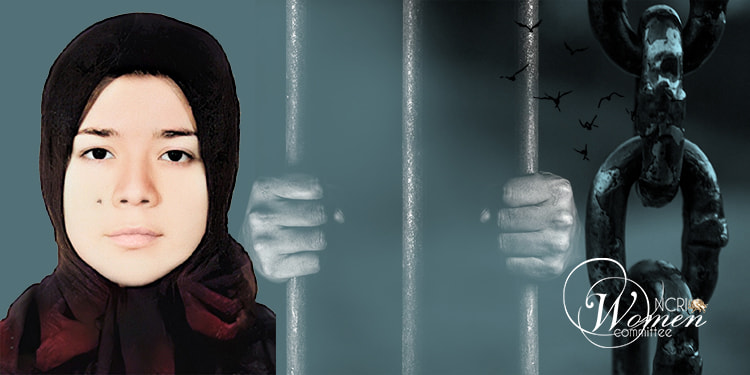
I held her face and presence in my mind as if committing them to memory. A cold dread told me I might never see her again. I prayed to God: “No God, no!” and kept forcing myself not to sob.
When she turned one last time and reached out, I reached back through those ugly iron bars. She left through the gate; my hand stayed outstretched, my whole being crying her name.
I climbed to the top bunk, the only shelter I had, and finally let the tears I’d been holding go. For three feverish days, between pain and delirium, I dreamed of Shekar, my dear Shekar, my beloved Shekar, my only friend; a friendship I have never found again.
Later, I learned from the others that after that transfer, Shekar was moved again and again, solitary cells and punishment wards in Evin: 311, the so-called “sanatorium,” and others. The continuous torture and repeated illnesses had ravaged her body. She became terribly thin and bent over; she was no longer easy to recognize. Yet those who had been with her said her spirit was like a mountain, steady and unconquerable. Nothing could shake it. She had fused her character with the spirit of resistance and forged from it a weapon that humbled the torturers. No torture left could bring her down.
Freedom
A few days earlier my sentence had ended. They called me. It was the same cleric, Naseri. He asked, “Your sentence is over. Are you ready to be interviewed for release?” I said no and returned to the ward. I did not expect freedom. A few days later they called me again and sent me to Evin.
I feared more interrogations, more torture. But after two days there, they released me. Makhāleh (my aunt) and my father had come for me. Twenty days earlier they had been told I might be freed, and they had come to the prison gate every day. Most people had stopped coming because I hadn’t been released, but Makhāleh kept going with my father, and that day they led me out to them.
When we’d put some distance between ourselves and the prison, I told my father and Makhāleh to stop. I wanted one last look at Evin from afar. I stood and looked at that place crouched in the valley like the spirit of Khomeini, like a monster.
I thought of the countless hearts beating behind those walls, the eyes pressed to the small, barred windows staring at the sky and waiting to see when the sun would rise. I swore silently, cursed that monster for swallowing so many precious lives, for turning hopes to ash, for stealing our loved ones. I remembered little Rouzbeh and his great wish, and in my heart, I swore — by God and by freedom — we will tear you down. We will tear you down.
Then we walked away.