
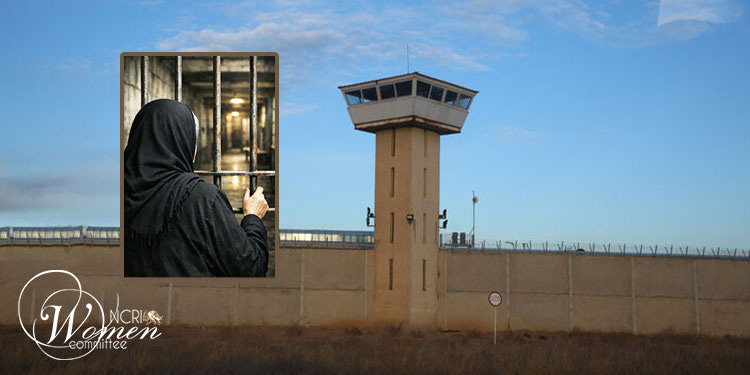
Hakimeh Honarmandi, a 61-year-old political prisoner and laboratory technician, has been detained for over a year in a state of legal limbo at Adelabad Prison in Shiraz.
Hakimeh Honarmandi and her son, Rouhollah Eskandari (born 1978), are facing the grave charge of baghy (armed rebellion against the state) under the Iranian regime’s judicial system, an accusation that carries the death penalty.
Following their arrest, both were reportedly subjected to severe physical and psychological torture and intense interrogations in Adelabad Prison.
Mrs. Honarmandi is currently detained in the women’s ward of Adelabad Prison. Throughout more than a year of detention without judicial resolution, she has endured extensive restrictions and sustained psychological pressure. The denial of contact with family members and the lack of transparent information about the case have led to increased anxiety and stress. Experts emphasize that this form of prolonged detention and severe restrictions amounts to so-called “white torture.”
Hakimeh Honarmandi suffers from multiple medical conditions, including diabetes, hypertension, and chronic skin disorders. However, reports indicate that her access to specialized medical care and effective treatment has been severely limited and inadequate, placing her at risk of irreversible health consequences.
The case of Hakimeh Honarmandi and her son stands as a stark example of the systematic repression faced by political prisoners in Iran. Prolonged legal uncertainty, psychological and physical torture, denial of medical care, and the looming threat of capital punishment not only endanger the lives of detainees but also deliberately target and devastate their families.