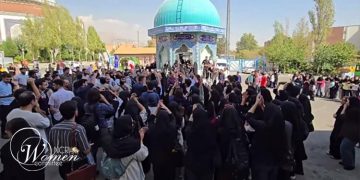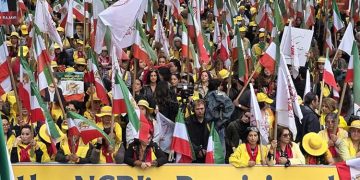

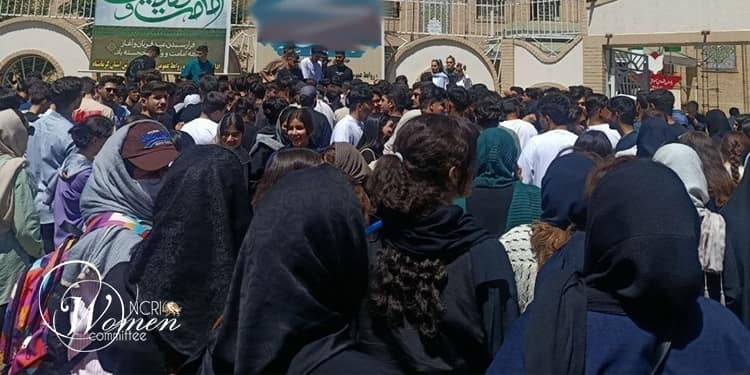
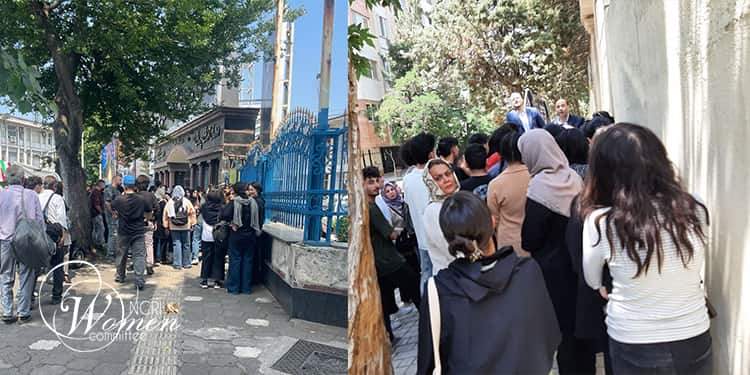
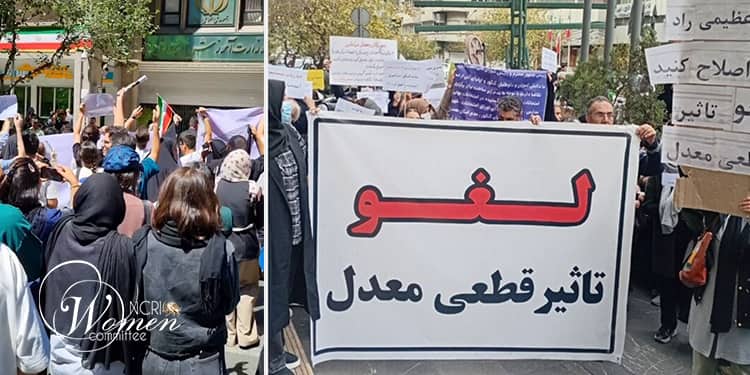
Thousands of Iranian students took to the streets across the country on Saturday, June 6, 2026, launching a nationwide protest against the mandatory inclusion of GPA scores in university entrance exams (the Konkur). The demonstrations, led by Iran’s Gen Z, signify a growing frustration with educational policies that many believe jeopardize their academic futures.
The unrest has spread to more than 20 cities across several provinces. Major demonstrations have been reported in:
- Central & Northern Iran: Tehran, Isfahan, Karaj, Arak, Sari, Rasht, and various cities throughout Gilan Province.
- Eastern & Western Iran: Mashhad, Birjand, Bojnurd, Kermanshah, and Khorramabad.
- Southern & Northwestern Iran: Shiraz, Yasuj, and Tabriz.
Escalation and Crackdowns
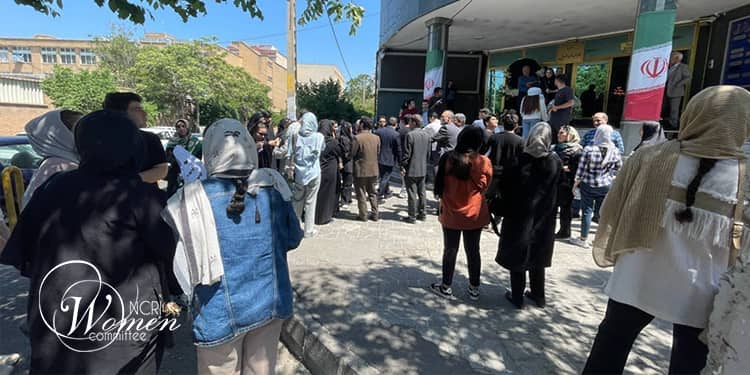
In Mashhad, the situation turned tense after protesters gathered outside the Department of Education before moving their demonstration into the building’s courtyard. According to eyewitness reports, authorities locked the exit gates once students were inside, preventing them from leaving.
A heavy presence of Special Units and State Security forces was reported on the scene, resulting in the arrest of several students.
“Demanding Answers, Not Promises”
Despite the mounting security pressure, student organizers have vowed to continue their strike until their demands are met. The protesters are calling for an immediate reversal of current educational directives, arguing that systemic fairness cannot be achieved through bureaucracy alone.
“Educational justice cannot be realized through circulars and hollow promises,” protesters stated during the rallies.
For Iran’s Gen Z, this movement is about more than just a test score; it is a rejection of years of perceived government stagnation. The message from the streets is clear: they are no longer interested in new promises—they want results.
The demonstrations continued as students marched through major thoroughfares, their chants echoing a mix of academic frustration and broader social defiance. The slogans highlighted a deep-seated distrust of current educational leadership and a demand for systemic fairness.
Voices from the Street: Key Chants
- “Students, cry out! Shout for your rights!”
- “Incompetent officials: Resign, Resign!”
- “Don’t be afraid, we are all together!“
- “Justice and education are our fundamental rights.”
- “We’ve heard many promises, but seen no justice.”
- “If our problem isn’t solved, we will gather every day.”
- “Students will die, but will not accept humiliation.”
Political Resonance and Solidarity
Mrs. Maryam Rajavi issued a message via X (formerly Twitter) calling on students, university academics, and educators nationwide to stand in solidarity with the protesting youth. She emphasized that “the only way to achieve these demands is through solidarity, persistence, and the expansion of protests.”
Root Causes: Why are Students Protesting?
The current wave of unrest is not a sudden outburst but the result of long-standing grievances regarding the Iranian education system. The core issues include:
- The “GPA Impact”: The primary catalyst is the regime’s policy of making high school GPAs a decisive factor in the Konkur (national university entrance exam). Students argue this is inherently unfair due to the vast disparity in educational quality and grading standards across different regions of Iran.
- Inconsistent Legislation: Frequent and unpredictable changes to educational laws have left the current generation of students in a state of constant uncertainty, making long-term academic planning nearly impossible.
- Educational Inequality: Protesters contend that these policies favor wealthy families who can afford private tutoring and high-end schools, effectively stripping the working class of upward mobility.
- Anxiety Over the Future: With the job market tightening, students view these shifting entrance requirements as an existential threat to their professional lives.
What began as a specific policy grievance has evolved into a broader display of Gen Z’s refusal to accept the status quo, turning the classroom struggle into a nationwide movement for accountability.