

Maryam Shahraki’s death highlights corruption in the prison system and Judicial injustice
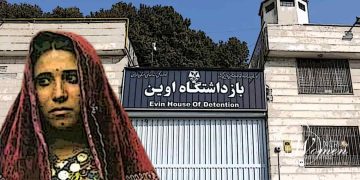
In the early hours of September 12, 2025, Maryam Shahraki, a female inmate at Fardis Prison in Karaj (also known as Kachouii Prison) died due to lack of proper medical care. She had been imprisoned solely for her inability to repay a debt of 3 billion rials ($30 at current exchange rate).
On the night of September 11, Maryam Shahraki experienced severe chest pain and was transferred to the prison’s infirmary. However, the attending doctor and nurse misdiagnosed her symptoms as stomach pain and prescribed only a few painkillers. Without receiving specialized treatment, she was sent back to her ward. Hours later, around 4 a.m. on September 12, she suffered a severe drop in blood pressure and died before being transferred to a hospital. Eyewitnesses say her death could have been prevented had she received immediate and professional medical attention.
Maryam Shahraki, a young woman, was married and the mother of two small children. She and her husband had been implicated in a financial case; her husband is currently serving his sentence in Karaj Central Prison.
A Persistent Healthcare Crisis in Fardis Prison
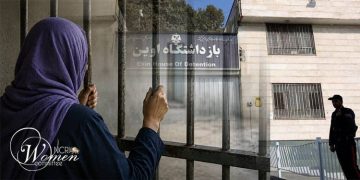
Fardis Prison has long been plagued by serious health and medical shortcomings. Shortages of medicine, lack of specialized facilities, and long delays in access to doctors have endangered the lives of countless inmates. Internal reports indicate that most prisoners are treated only with generic drugs and painkillers. Families have repeatedly protested these conditions during visits and through official complaints, but prison authorities—including Fardis Prison director, Kolivand—have failed to take effective action.
Punishment for the Poor, Immunity for the Powerful
The death of Maryam Shahraki once again highlights the stark contradictions in Iran’s judicial system. She and her husband were jailed over a debt of just 300 million tomans, while major financial offenders who have embezzled billions of dollars continue to live freely with impunity due to their close ties with regime officials and power networks.
The death of Maryam Shahraki is not only a human tragedy but also a clear example of the deep injustice and systemic corruption within Iran’s judiciary and prison system.