

Wilma Glodean Rudolph (23 June 1940 – 12 November 1994) was an American sprinter who rose from poverty and childhood illness to become an international symbol of athletic excellence and human resilience. Nicknamed “The Tornado”, she was celebrated as the fastest woman in the world during the 1960s.
Born in Saint Bethlehem, Tennessee, Wilma was the 20th of 22 children in her family. Stricken with polio, scarlet fever, and pneumonia as a child, she was left with a twisted leg and wore a brace until the age of 12. Through determination and family support, she overcame her disability and began to excel in basketball and track during her teenage years.
At just 16, Wilma Glodean Rudolph competed in the 1956 Melbourne Olympics, winning a bronze medal in the 4×100-meter relay. Four years later, at the 1960 Rome Olympics, she stunned the world by winning three gold medals—in the 100 meters, 200 meters, and 4×100-meter relay. She became the first American woman to win three gold medals in track and field at a single Olympic Games, cementing her place in sports history.
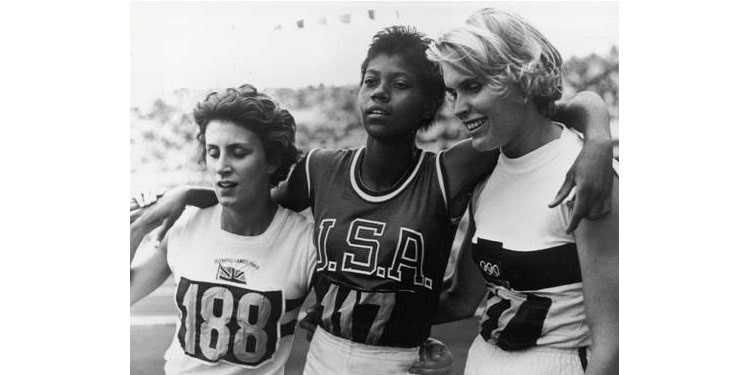
Beyond her athletic triumphs, Rudolph became a cultural icon during the civil rights era. She insisted that her hometown victory parade in Clarksville, Tennessee, be integrated—the first fully desegregated public event in the city. After retiring from competition, she dedicated herself to coaching, education, and mentoring young athletes.
Wilma Glodean Rudolph passed away on 12 November 1994 in Brentwood, Tennessee, at the age of 54. Her legacy endures not only in the record books but also in the lives she inspired. Today, she is remembered as a trailblazer who transformed adversity into triumph and opened the doors for generations of women in sports.