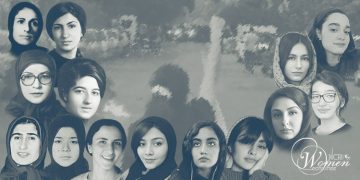

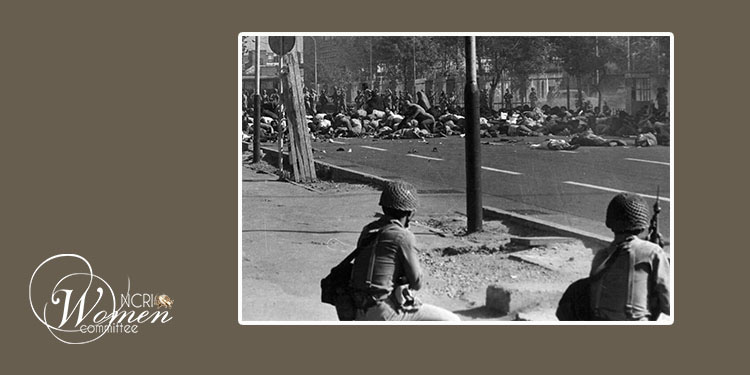
September 8, 1978 (17 Shahrivar 1357), later remembered as “Black Friday,” stands as one of the bloodiest and most pivotal days in modern Iranian history. Despite the imposition of martial law, thousands of Tehran residents—led courageously by women at the forefront—flooded Jaleh Square (renamed Shohada Square after the revolution) demanding freedom, justice, and an end to tyranny.
Many women brought their young children. The Shah’s army opened fire on this peaceful demonstration, killing hundreds of women and thousands of citizens, igniting nationwide outrage, grief, and solidarity.

Women: The Driving Force of the Uprising
Women were not mere participants—they were organizers, leaders, and strategists of resistance. From homes and alleys to major Tehran streets, women played a central role in shaping the protest movement. Their visible presence in previous marches, including the massive Eid al-Fitr protest on September 6 and the September 7 demonstrations, reinforced the power of slogans such as “Death to the Shah” and “The Only Path to Liberation is the Path of the Mujahedin,” echoing through the city with unstoppable force.
Mothers and Families of Political Prisoners: Frontline Advocates
After Black Friday, women—mothers, sisters, and wives of martyrs and political prisoners—refused to remain silent. By attending funerals, visiting grieving families, and confronting armed soldiers, they conveyed a powerful message of resistance. Many organized networks to document and expose prison atrocities and secret executions, distributing information clandestinely. Through grassroots networks in neighborhoods and homes, they created educational groups, discussion circles, and hubs for sharing vital news, strengthening Iran’s civil and political movement.

Legacy of September 8, Black Friday
The role of women and mothers in the September 8th uprising proved that resistance extends far beyond the streets. Through oral storytelling, letter-writing, and commemorative ceremonies, they established a symbolic and cultural struggle that preserved collective memory and inspired future generations.
The iconic image of Iranian mothers standing with photos of their martyred or imprisoned children before armed soldiers inspired women’s movements worldwide, from Argentina’s “Mothers of Plaza de Mayo” to global campaigns against enforced disappearances.
September 8 (17 Shahrivar) remains a symbol of blood, courage, and resilience—the day when the bravery of women and mothers cemented the spirit of justice and revolution in Iran’s history.