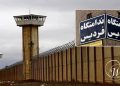


In recent weeks, a number of female political prisoners held in Qarchak Prison, Varamin, have been denied in-person visits with their families and lawyers. Prison authorities have imposed this ban as a punitive measure, sparking serious concerns about the legal and human rights situation of these detainees.
According to reports, the restrictions followed prisoners’ protests over repeated power outages inside Qarchak Prison. In response to the inhumane conditions and deteriorating infrastructure, inmates chanted slogans and staged protests, actions met with a harsh crackdown and the suspension of family and legal visits.
Those targeted by this ban include Golrokh Iraee, Arghavan Fallahi, Sakineh Parvaneh, Mina Mashhadi, Parivash Moslemi, Nasim Gholami Simiyari, Marzieh Farsi, Azar Korvandi, Nahid Khodajou, and Forough Taghipour. The ban is a clear instance of “collective punishment,” devoid of any legal basis.
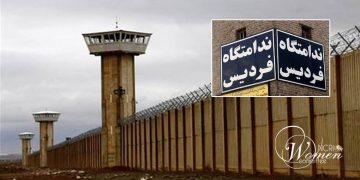
Qarchak Prison has long been regarded as a symbol of violations against female prisoners in Iran. Severe overcrowding, unsanitary conditions, and systematic pressure on women political detainees have repeatedly drawn condemnation from human rights advocates.
Denying prisoners the right to in-person contact with their families and lawyers not only breaches their fundamental rights but also strips families of the ability to monitor the wellbeing of their loved ones.