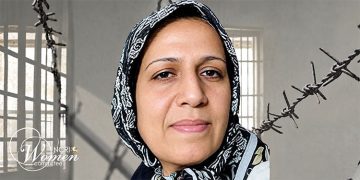

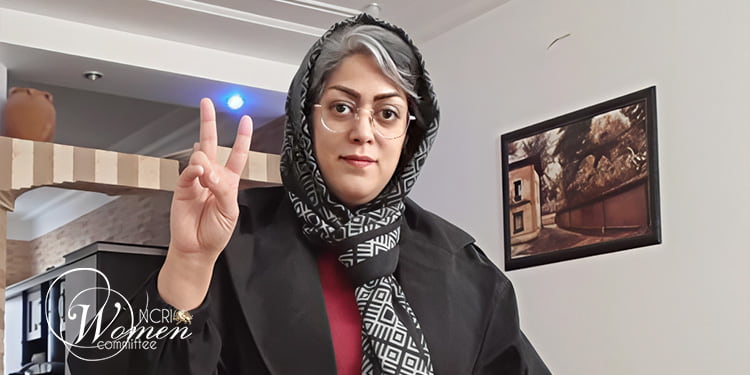
Political prisoner Parisa Kamali held in Yazd Central Prison, was suddenly taken out of her ward and transferred to Bandar Abbas Prison on Wednesday, September 9, 2026.
Yazd prison officials summoned Parisa Kamali from her ward without prior notice and, after completing the arrangements for her transfer, moved her to Bandar Abbas Prison. Parisa Kamali’s family was also not informed of the decision before her transfer.
The transfer of political prisoners from one prison to another, particularly when carried out without notifying their families and under sudden circumstances, can make it more difficult for families to access the prisoner and follow up on their situation. It can also affect visitation, telephone calls, and the prisoner’s access to medical and legal services.
During her imprisonment in Yazd Central Prison, political prisoner Parisa Kamali has faced repeated pressure, including denial of medical treatment, despite suffering from hyperthyroidism and requiring specialized care.
The denial of access to medical care and treatment, as well as preventing prisoners from being transferred to medical facilities outside prison, is a deliberate policy aimed at exerting pressure on and torturing political prisoners.
In August 2026, Parisa Kamali released an audio message from inside Yazd Prison in which she protested the continued executions and the repression of protesters. In the message, referring to the situation prevailing in society, she called on human rights organizations and the international community to take action to stop the executions. The release of the message was followed by a judicial response, and shortly afterward, she was summoned to court for publishing a protest message from prison. The charge brought against her in this case was “media propaganda against the regime.”
In recent days, in an audio message from Yazd Central Prison, political prisoner Parisa Kamali commemorated the 61st anniversary of the founding of the People’s Mojahedin Organization of Iran (PMOI/MEK). In the message, emphasizing that her political awareness and commitment to freedom are rooted in the path and ideals of the People’s Mojahedin Organization, she noted that the movement remains a beacon of hope for all those striving for a free, democratic, and prosperous Iran.
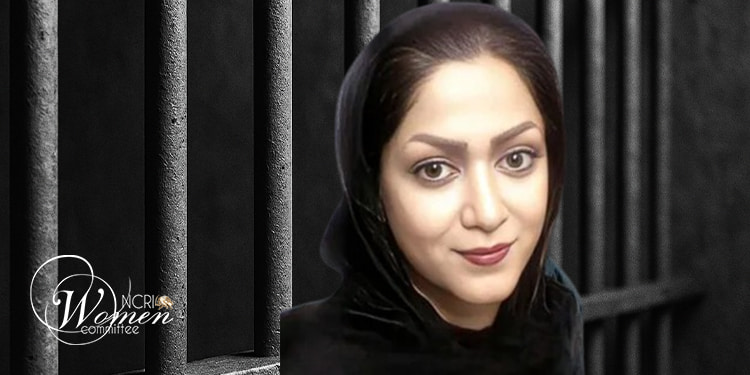
Who Is Parisa Kamali?
Parisa Kamali, born in 1986, is married and a university student majoring in geography. She was arrested in Isfahan on April 29, 2024, and subsequently transferred to Dowlatabad Prison in Isfahan.
During interrogation and judicial proceedings, Kamali faced charges including “acting against national security,” “destruction of public property,” and “membership in the People’s Mojahedin Organization.” The court, presided over by Judge Tavakoli, sentenced her to six years in prison.
The sentence was later reduced to three and a half years.
In 2025, she was also transferred without prior notice from a prison in Isfahan to Yazd Central Prison. Following the transfer, she was continually subjected to increased restrictions, including restrictions on contact with her family and denial of medical treatment.
In recent months, Kamali went on hunger and medication strike to protest the handling of her case and the lack of medical care.