
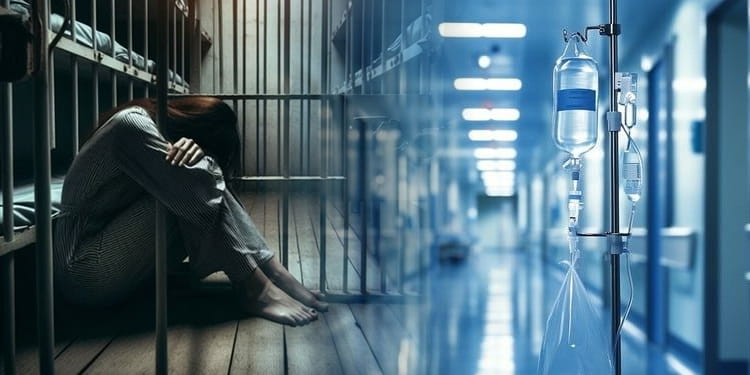
Denial of medical care to female prisoners in Iran continues to raise serious concerns as reports indicate that several incarcerated women suffering from severe and potentially life-threatening illnesses remain deprived of adequate medical treatment, medical furlough, and the implementation of official medical recommendations.
Still Imprisoned Despite Medical Advice for Release
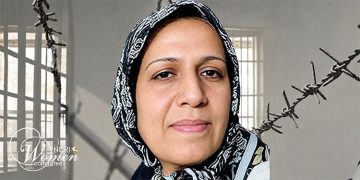
Masoumeh (Farah) Nassaji, a 64-year-old political prisoner held in Evin Prison, continues to serve her sentence despite suffering from multiple medical conditions, including heart disease, asthma, chronic joint pain, and bone disorders. Although Iran’s Legal Medicine Organization has confirmed that she is medically unfit to endure imprisonment, no action has been taken to suspend her sentence or secure her release.
Ms. Nassaji was previously sentenced to five years and four months in prison and has been held in the women’s ward of Evin Prison since September 2022. She has also spent 48 days in solitary confinement.
Months of Waiting for Treatment
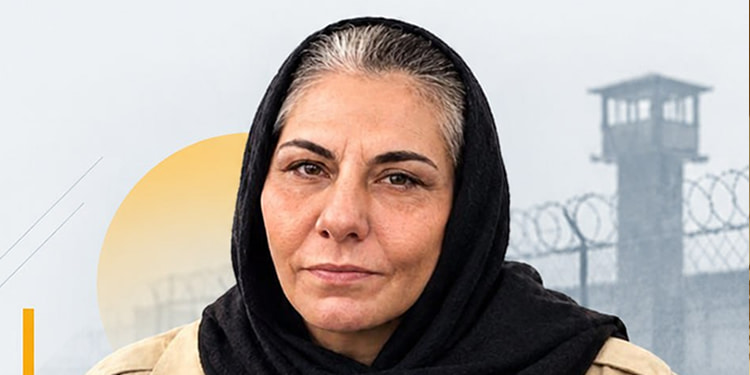
Fatemeh Jami, a prisoner held in Gorgan Prison, remains deprived of specialized medical care despite her deteriorating health condition.
According to available reports, she required surgery for a breast cyst at the time of her arrest. However, the procedure has been delayed for months, while her family’s efforts to obtain medical leave or temporary release on bail have been unsuccessful.
Informed sources indicate that her health continues to worsen and that she urgently requires transfer to a medical facility outside the prison for specialized treatment.
Warning Over the Need for Immediate Surgery
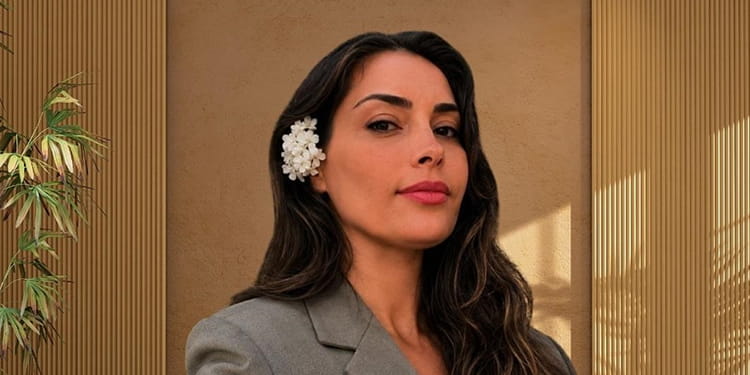
Mohtaram Parandin, a renowned miniature artist imprisoned in the women’s ward of Evin Prison, represents one of the most alarming cases reported in recent days.
In addition to thyroid and heart conditions, she suffers from two tumors located near her cerebellum and throat. Medical examinations have reportedly confirmed a cancer diagnosis.
The prison physician has stressed the need for immediate surgery and warned about the dangers posed by the tumor near her cerebellum. According to informed sources, the tumor has affected her vision, speech, and physical coordination, with symptoms clearly visible in her movements and speech. Despite these medical warnings, she has yet to receive the surgery and treatment she urgently requires.
Growing Concern Over the Right to Health in Prisons
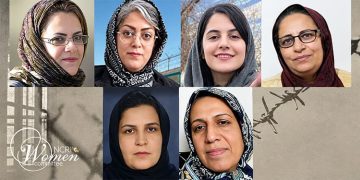
Taken together, these cases reveal a troubling pattern of denial of medical care to female prisoners in Iran. Continued detention, delays in treatment, and the failure to implement medical recommendations are placing the health and lives of incarcerated women at increasing risk.
The continued imprisonment of Masoumeh Nassaji despite official confirmation of her medical unfitness, the prolonged delay in treatment for Fatemeh Jami, and the critical condition of Mohtaram Parandin underscore growing concerns about the right to health and access to adequate medical care in Iranian prisons.
The denial of necessary medical treatment to prisoners may constitute a violation of the right to health and, in certain circumstances, may amount to cruel, inhuman, or degrading treatment. These cases once again highlight the urgent need for international attention to the condition of female prisoners in Iran and the protection of their fundamental rights.