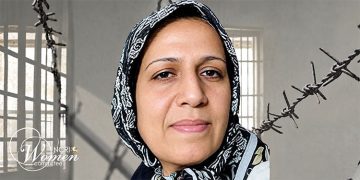

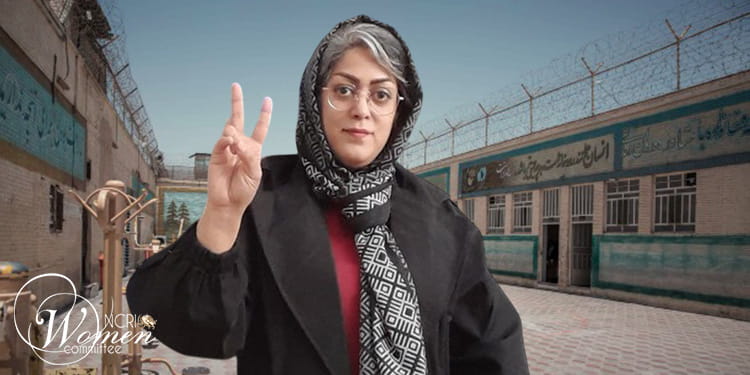
Political prisoner Parisa Kamali, detained in Yazd Prison, continues to be denied adequate medical care despite suffering from hyperthyroidism and requiring specialized treatment.
Delays in specialist examinations, thyroid ultrasound imaging, and the continuation of her treatment have heightened concerns about her physical and psychological condition.
Before her arrest, Kamali’s treating physician diagnosed a thyroid nodule and stressed the need for specialized evaluations, regular medical testing, thyroid ultrasound examinations, and continuous treatment. However, since her transfer to Yazd Prison, her medical care has been interrupted, leaving her unable to follow the prescribed treatment plan.
Denial of Medical Care in Yazd Prison
Prior to her detention, Kamali was under the supervision of a medical specialist, and her family consistently monitored her treatment. Given the presence of a thyroid nodule, her physicians considered regular examinations and specialized assessments essential to prevent the progression of her condition.
Since her transfer to Yazd Prison, however, she has been denied access to a specialized hospital, thyroid ultrasound examinations, and the diagnostic tests required to monitor her condition. Reports also indicate that she has been deprived of regular medication appropriate for her illness.
Thyroid disorders, particularly those involving thyroid nodules and hyperthyroidism, require continuous monitoring and specialist evaluation. Any interruption in treatment can lead to the progression of the disease and the development of serious complications.
Concerns Over Worsening Physical and Mental Health
According to available information, untreated or uncontrolled hyperthyroidism can cause complications including heart palpitations, weight loss, severe physical weakness, hand tremors, sleep disturbances, anxiety, irritability, and significant mood changes.
In recent months, Kamali has experienced severe emotional fluctuations and symptoms resembling bipolar episodes. According to informed sources, her condition requires simultaneous evaluation by both an endocrinologist and a psychiatrist.
If these symptoms are linked to the progression of her illness or the consequences of interrupted treatment, the continued denial of medical care and delays in providing appropriate treatment could have long-term, and potentially irreversible, effects on her physical and mental health.
Who is Parisa Kamali?
Parisa Kamali Ardakani was arrested on April 29, 2024, in Isfahan and initially taken to Dowlatabad Prison. She is facing three separate cases brought against her in Isfahan and Ardakan, all involving various security-related accusations.
In 2025, Parisa Kamali Ardakani was transferred from Dowlatabad Prison in Isfahan to Yazd Prison.
After accepting the court’s ruling (“taslim be ra’y”), her combined sentence was reduced to three and a half years.
Parisa Kamali Ardakani was born in 1986 in Abadan, is married and a geography student.