

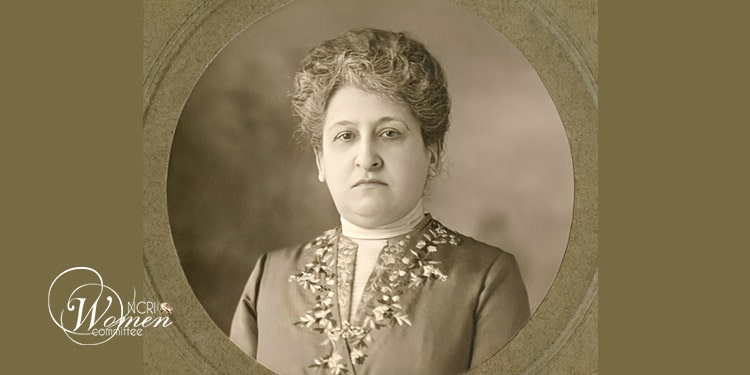
Aletta Henriëtte Jacobs (9 February 1854 – 10 August 1929) was a trailblazing Dutch physician and a leading figure in the fight for women’s suffrage and gender equality. As the first woman in the Netherlands to officially register as a medical student and earn her degree, Jacobs became a symbol of progress in both healthcare and women’s rights.
Born in the city of Sappemeer, the Netherlands, Jacobs grew up in a progressive family committed to education and social reform. With the support of her father, she defied societal norms and became the first woman to attend the University of Amsterdam in 1871. After years of determination, she became the country’s first female doctor in 1879.
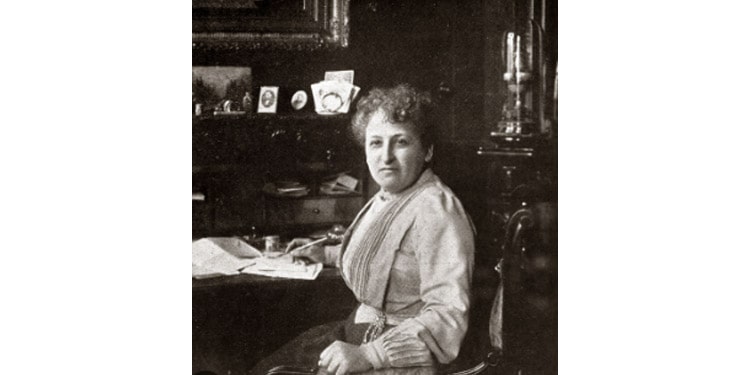
Jacobs’s medical career was groundbreaking, but her work went far beyond the clinic. She was a passionate advocate for birth control and women’s health, founding the first birth control clinic in the Netherlands in 1882. Jacobs was one of the earliest activists to connect women’s health with social equality, fighting for reproductive rights as part of her broader mission for women’s empowerment.
Her advocacy for women’s suffrage also marked her as a key figure in the international feminist movement. Jacobs worked alongside other suffragists to secure voting rights for women in the Netherlands, speaking at global conferences and writing extensively on the importance of women’s participation in public life. In 1919, Jacobs’s efforts were rewarded when Dutch women finally won the right to vote.
Aletta Henriëtte Jacobs continued her work as a doctor, suffragist, and social reformer until her death in 1929. Today, she is remembered not only as the first female doctor in the Netherlands but also as a pioneering advocate for women’s health, education, and equality, whose contributions paved the way for future generations of women in medicine and social reform.