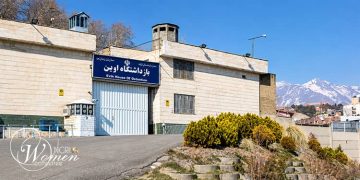
Reports from the women’s ward of Ahvaz Sepidar Prison describe critical and inhumane conditions for female prisoners. Severe overcrowding, the absence of cooling systems, poor sanitation, and extensive restrictions have made daily life increasingly difficult for those held in the facility.
Approximately 302 women are currently detained in the prison’s women’s ward. Seven young children, including two infant girls, are also living in the ward alongside their mothers under the same inadequate conditions.
Risk of Infectious Diseases Among Prisoners
At least 15 women in the ward are living with serious contagious diseases, including hepatitis and HIV. Reports of self-harm among some prisoners have raised concerns about the potential transmission of these illnesses to other inmates, particularly the children housed in the ward.
Extreme Heat and Repeated Power Outages
According to one prisoner, temperatures in Ahvaz have exceeded 50 degrees Celsius, while women in the ward have been left without even basic cooling facilities. The air conditioning units serving Wards 5 and 6 are out of service, and frequent power outages have further worsened conditions. The prisoner said the prison is included in scheduled electricity cuts, with repeated outages placing additional strain on inmates confined to an overcrowded space.
Overcrowding and Lack of Hygiene
She also stated that although the women’s ward was designed to accommodate about 200 people, it currently holds more than 300 women. According to her account, the lack of refrigeration, contaminated water, unsanitary restroom facilities, and repeated sewage overflows are among the ward’s most serious problems. She said prisoners are required to clean the restroom facilities themselves, while sewage flooding into the living areas has destroyed their personal belongings, clothing, and food supplies.
Fear Following Nearby Attacks and Tightened Restrictions
The prisoner also described the psychological impact of the wartime situation, saying that after attacks near Sepidar Prison, screams and panic spread throughout the women’s ward, leaving many prisoners in a state of severe anxiety.
She further reported that women in the ward have limited access to outdoor exercise areas and that movement within the prison has been heavily restricted.
According to her account, female prisoners are required to wear designated loose-fitting, full-length clothing at all times, including inside the ward. Prisoners are also required to attend the morning flag ceremony and salute the Iranian flag, with breakfast provided only to those who participate.