Anna Howard Shaw (February 14, 1847 – July 2, 1919) was a pioneering American suffragist, physician, and ordained minister whose fearless leadership helped transform the women’s rights movement in the United States. Born in England and raised on the Michigan frontier, Shaw overcame poverty and social barriers to earn medical and theological degrees at a time when higher education for women was rare. Her personal struggle for equality shaped a lifelong commitment to women’s political and social emancipation.
A gifted and commanding orator, Anna Howard Shaw became one of the most influential leaders of the American woman suffrage movement. She served as president of the National American Woman Suffrage Association (NAWSA) from 1904 to 1915, working closely with Susan B. Anthony and other reformers to advance a national strategy for women’s voting rights. Through relentless public speaking and organizing, Shaw helped broaden popular support for suffrage across the country.
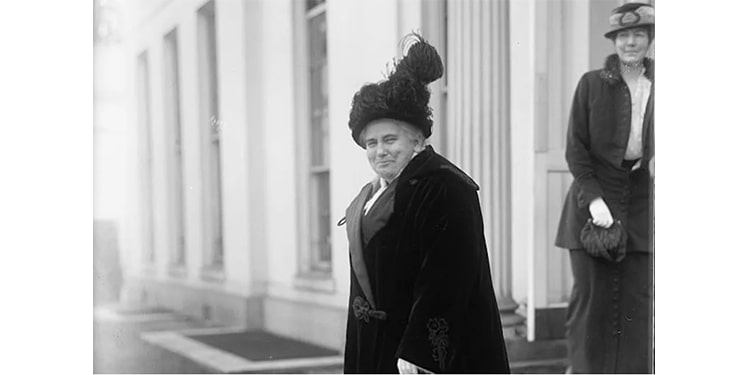
Beyond the fight for the vote, Anna Howard Shaw was a passionate advocate for labor rights, peace, and social reform. Her legacy endures as a symbol of intellectual courage and moral clarity, contributing directly to the momentum that led to the ratification of the 19th Amendment in 1920. Today, she is remembered as a trailblazing reformer who fused activism, education, and eloquence to strengthen American democracy and women’s equality.