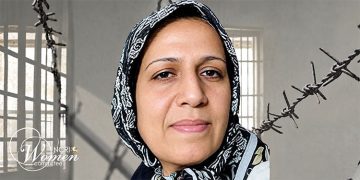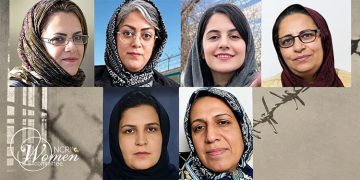


Women Political prisoners recently transferred from Evin Prison to Qarchak Prison in Varamin are being held under dire, inhumane, and dangerously substandard conditions. Their health, dignity, and even their lives are now under serious and immediate threat.
The transfer followed the destruction of Evin Prison on June 23, 2025. The women were relocated not to a prepared facility, but to a neglected hall in Qarchak Prison, formerly used to detain drug-dependent inmates.
The space was in a state of extreme filth, filled with the stench of rot, rodent infestation, and completely lacking ventilation. The prisoners themselves—without any official assistance—have worked to clean the area to the extent possible. Nevertheless, the conditions remain unacceptable and constitute a flagrant violation of basic human rights.
Qarchak: A Prison Within a Prison
Approximately 60 female political prisoners are currently held in forced quarantine inside this isolated wing. They are completely cut off from other parts of the prison.
The space contains only three toilets and three showers for all detainees.
Overcrowding is severe: in one 20-square-meter room, 13 women are confined, making it nearly impossible to sit or rest properly. Many, particularly elderly or ill inmates, are forced to sleep on the floor.
The situation is exacerbated by poor sanitation: stagnant wastewater and infestations of rats and insects have turned the area into a breeding ground for disease. The air conditioning system emits foul odors, and the lack of proper ventilation has made the air dangerously hot, humid, and unhealthy.
Isolation and Medical Neglect
The prisoners are denied regular contact with their families. Access to the prison library, medical services, and essential medications is severely restricted—if not entirely cut off. Many women have not yet received their personal belongings and prescription medicines, which remain at Evin Prison.
Critical Health Conditions Among Female Political Prisoners
The deteriorating health of several inmates is cause for urgent concern:
- Azar Korvandi suffers from serious cardiac issues, hearing loss, and cervical disc disease, and her condition is worsening due to lack of specialized care.
- Raheleh Rahemipour and several other elderly women over the age of 70 are unable to cope with the harsh environment and are suffering from age-related conditions without medical support.
- Mowlud Safaei requires immediate surgery for a diaphragmatic hernia and has experienced severe vision loss from untreated cataracts. Despite promises, she has not been granted medical leave.
- Parvin Mirasan is living with multiple chronic illnesses, including diabetes, Parkinson’s disease, intestinal adhesions, and joint disorders—without access to treatment.
- Maryam Banou Nassiri has sleep apnea, respiratory conditions, and stomach ulcers. The lack of medication has placed her in critical condition.
Other prisoners with chronic illnesses such as hypertension, diabetes, and heart disease are similarly at grave risk due to the lack of access to medication and care.

Systematic Human Rights Violations at Qarchak
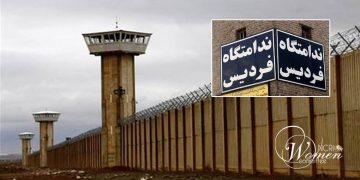
The notorious Qarchak Prison in Varamin is the only all-women prison in Iran used for detention of women convicted of violent offences and as an internal exile for female political prisoners. There is no separation of crimes in this prison and political prisoners are held along with common prisoners and dangerous criminals. In one word, the conditions of inmates in Qarchak Prison are abysmal.
Also known as Shahr-e Ray Prison, Qarchak Prison is a disused industrial chicken farm in a desert area of eastern Tehran, falling far below international standards. Some 2,000 prisoners are held in overcrowded and unsanitary conditions, without access to drinkable water, decent food, medicine and fresh air.