In the summer of 2026, an Iran healthcare workers protest wave highlights how the country’s health system faces chronic financial backlogs, severe staffing shortages, and widespread labor discontent.
Reports from state-run media show that this crisis extends far beyond hospitals and specialized wards, engulfing primary care networks and healthcare personnel across the nation—a situation directly jeopardizing human capital retention and the quality of medical services provided to the public.
Healthcare Staff Rally Over Meager Wages and 30,000-Toman Overtime Pay
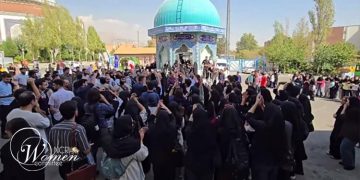
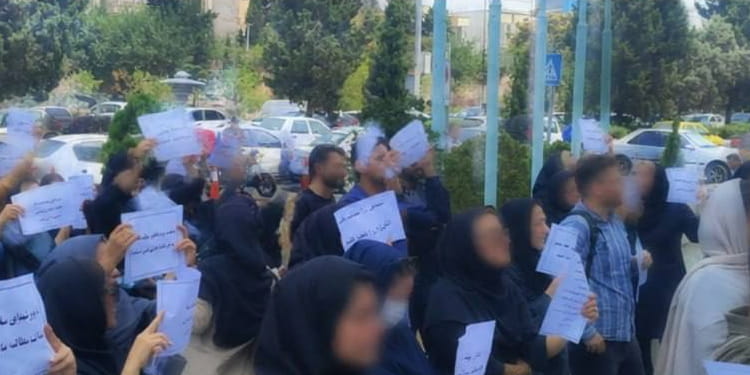
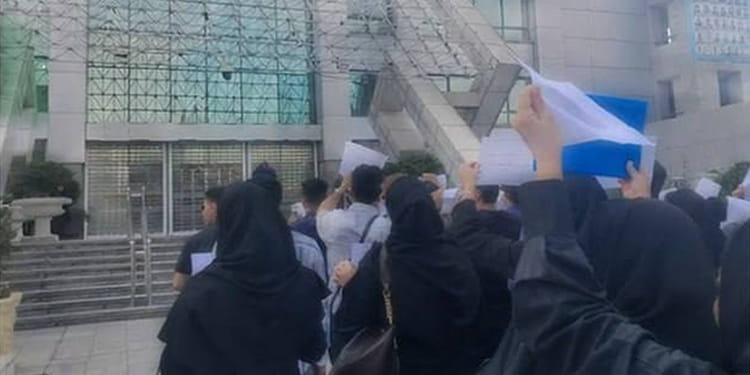
On Monday, August 17, 2026, a group of primary healthcare staff gathered outside the Ministry of Health building in Tehran. This Iran healthcare workers protest centered on severe economic hardship and unfair wage structures.
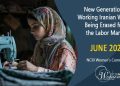
Female healthcare workers—who form the backbone of primary care, vaccination drives, and preventative health services—had a prominent presence at the rally. Carrying placards and handwritten banners, demonstrators voiced sharp criticism over low base salaries and an hourly overtime pay rate of approximately 30,000 Tomans (under 50 cents USD). Protesters emphasized that such meager compensation bears no proportion to their heavy responsibilities in safeguarding public health, demanding an immediate overhaul of their living conditions and job security.
Unpaid Dues and Disciplinary Retaliation Exposed in the Clinical Sector
Concurrently with the primary health staff demonstrations, hospital nurses and clinical personnel are grappling with deep structural crises. On August 15, 2026, the state-run Shargh newspaper reported on a gathering at Fayaz Bakhsh Hospital in Tehran (affiliated with the Social Security Organization) in August 2026, exposing massive accumulated arrears.
According to Shargh, the peaceful union demonstration by Fayaz Bakhsh nurses—which caused no disruption to patient care—was met with harsh mistreatment and nearly eight-hour interrogations on the hospital’s fifth floor. Although Social Security Organization officials announced a halt to contract cancellations and the reinstatement of terminated staff, core demands remain unresolved. These include 13 months of unpaid commuting allowances (roughly 15 million Tomans per nurse), unpaid “war risk allowances” from previous conflict periods, and the complete failure to fully implement the Nursing Services Tariff Law three years after its passage—issues that continue to fuel the Iran healthcare workers protest movement across clinical facilities.
10-Month Unpaid Arrears and Loss of Human Capital in the Provinces
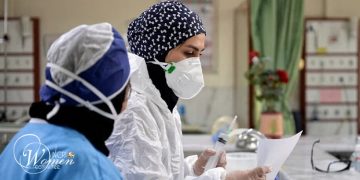
The scope of this crisis extends far beyond the capital. In a report published on July 27, 2026, from Fars Province, the state-run ILNA news agency detailed the backlog of unpaid claims owed to doctors and nurses in Shiraz. ILNA quoted a nursing union activist in Shiraz stating that despite 10 to 20 years of experience and heavy night shifts, nurses’ base salaries remain between just 19 million and 28 million Tomans. He added that severe understaffing forces a single nurse in major Shiraz hospitals (such as Namazi and Faqihi) to care for 10 to 20 patients instead of the standard 3 or 4.
According to figures cited in ILNA’s report, nearly 3,000 nurses emigrate from Iran every year due to economic hardship and extreme workload, or abandon the nursing profession entirely to pursue non-medical jobs.
In the same report, Mohammad Reza Didban Ardakani, head of the Shiraz Medical Council, revealed that insurance companies face a 9-to-10-month delay in paying claims owed to doctors, pharmacies, and medical centers. According to Ardakani, the public’s diminished purchasing power alongside high healthcare costs has led to at least a 50 percent drop in patient visits to medical specialists, with people seeking medical care only when their illnesses reach acute stages. This deepening economic strain on medical staff further drives the broader Iran healthcare workers protest movement across various provinces.
Occupational Burnout and Severe Nursing Shortages
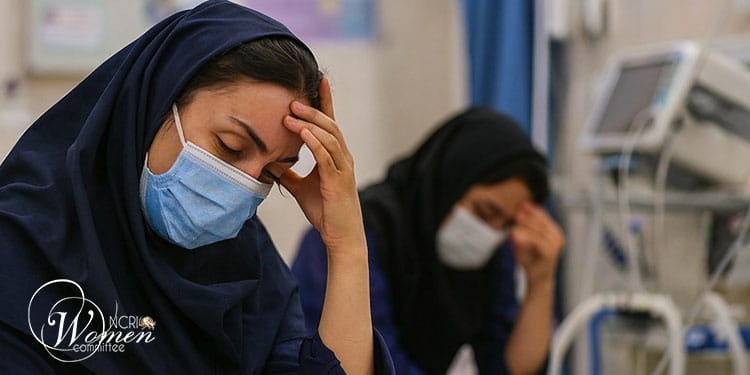
The provincial dimensions of the healthcare crisis are also reflected in state media reports. On July 20, 2026, the state-run Tasnim news agency reported that hospitals in Hamedan Province face a shortage of at least 1,000 nurses. This deficit forces existing nursing staff to work relentless, mandatory overtime shifts, causing occupational burnout rates to surge dramatically.
Tasnim criticized state officials for relying solely on the “self-sacrifice and commitment” of medical staff, warning that sacrifice cannot replace proper policymaking, workforce recruitment, and adequate livelihoods. Chronic fatigue among nurses directly degrades the quality of bedside patient care and compromises clinical safety—underlining the systemic grievances that fuel the ongoing Iran healthcare workers protest movement nationwide.
A Systemic Crisis Threatening Public Health and Safety
Cross-referencing facts and field reports published in state-run media—including the Shargh newspaper, ILNA, and Tasnim news agencies—demonstrates that Iran’s health system faces an all-encompassing crisis across both primary prevention and clinical treatment sectors. From meager 30,000-Toman hourly overtime rates for female healthcare personnel to 10-month delays in tariff payments, disciplinary retaliation against union demonstrators, and thousands of unfilled nursing vacancies in the provinces, these systemic failures actively drive expert emigration, workforce attrition, and the ultimate collapse of medical care quality for the general public. This deepening breakdown reinforces why the Iran healthcare workers protest movement continues to expand across the country.