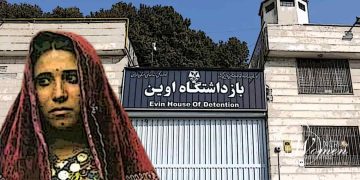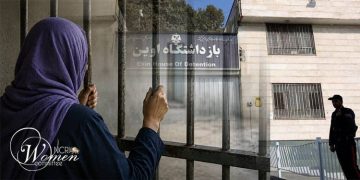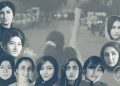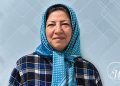


On the anniversary of the bloody crackdown on the student uprising of July 9, 1999, a group of women political prisoners in Qarchak Prison courageously held a memorial ceremony to honor the victims, the disappeared, and the injured of that historic uprising—despite heightened security measures and intense pressure from prison authorities.
In a symbolic and defiant act of remembrance, the political prisoners in Qarchak Prison reflected on the harrowing memories of those days, discussed the historical context of the student protests, and paid tribute to the resilience of the students who bravely stood up to state repression. They also expressed solidarity with the grieving families who continue to seek truth and justice for their loved ones.
The ceremony concluded with the performance of a song dedicated to those killed and forcibly disappeared during the regime’s brutal attack on the university dormitories. This act of resistance—carried out within the walls of one of Iran’s most notorious and oppressive prisons—stands as a powerful message of enduring struggle for freedom, and the unwavering pursuit of justice by political prisoners.

The 1999 Student Uprising
At 4 a.m. on July 9, 1999, as students slept in the dormitories of the University of Tehran, they were subjected to a brutal and sudden raid by plainclothes security forces. Over 1,300 police officers surrounded the student housing complex, while hundreds of plainclothes agents stormed the dorms, using tear gas, firearms, batons, and wooden clubs. They ransacked rooms, destroyed students’ belongings, and viciously beat those inside. Some students were even thrown out of the windows. At least three students were killed, and over 200 were injured in the attack.
The assault came in response to a peaceful protest held by students on July 8, opposing the further restrictions on press freedoms. The regime intended to crush dissent and silence student voices through terror. However, instead of ending the protests, the attack ignited a wave of nationwide demonstrations that shook the foundations of the clerical regime from July 9 to July 14. Female students played a prominent and active role throughout these six days of resistance.
On July 11, thousands of students gathered in Tehran to protest the killings and injuries inflicted on their classmates. They chanted: “Death to dictatorship, long live freedom.” By July 13, tens of thousands of enraged students were marching toward the Ministry of Interior.
Simultaneously, students in Tabriz, Isfahan, Mashhad, and Shiraz rose up in solidarity with their peers in Tehran. In Tabriz, the violent crackdown led to the deaths of four students.

Ultimately, after the killing of 17 students and the arrest of more than 1,500 individuals, Mohammad Khatami’s government—fearing the continuation of mass protests—effectively imposed martial law in Tehran, deploying military forces across most of the capital. The scale of violence and repression provoked outrage among the public, particularly against Khatami, who at the time claimed to represent a reformist agenda.
Among the victims of this bloody crackdown were two female students: Fereshteh Alizadeh and Rozita Heidari.
Fereshteh Alizadeh, a student at Al-Zahra University, disappeared during the attack on the University of Tehran dormitories. Her fate remains a painful symbol of the regime’s ruthless suppression of dissent.