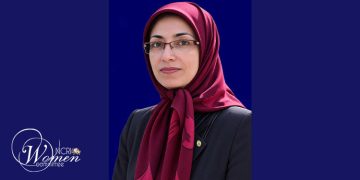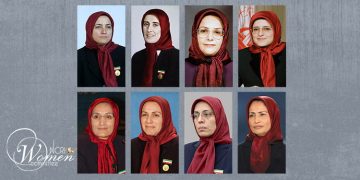


On the anniversary of the student uprising in Iran on July 9, 1999, we pay tribute to the young women who participated in this movement, gave their lives or forcibly disappeared, including Fereshteh Alizadeh and Rozita Heydari.
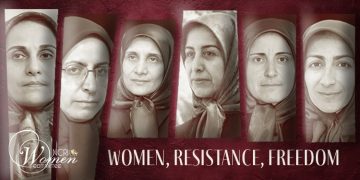
For over 40 years, Iranian women have been the leading force for change against authoritarian rule. Despite relentless government repression, arrests, and crackdowns, these women have emerged as leaders in the fight for freedom, human rights, and democracy in Iran. From underground Resistance Units to mass protests, their resilience is reshaping the country’s future.

A History of Defiance
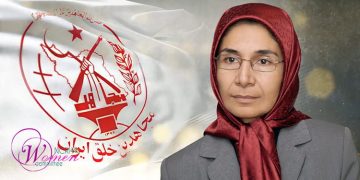
The history of Iranian women’s struggle for freedom goes back 150 years, but in recent history, their resistance began with mass protests against mandatory hijab after the 1979 Revolution. Since then, women have faced brutal repression by the regime’s security forces and morality police. Many activists, especially supporters of the People’s Mojahedin Organization of Iran (PMOI/MEK) and the National Council of Resistance of Iran (NCRI), have endured imprisonment, torture, and even execution for demanding equal rights and political freedom.

Resistance Units: Women Leading from the Shadows
Today, women play a central role in Resistance Units—clandestine cells that organize covert actions against the regime. These women risk their lives hanging banners, spreading political messages, carrying out anti-repression acts, and mobilizing underground networks. In 2024 alone, women-led units carried out thousands of acts promoting Maryam Rajavi’s Ten-Point Plan for a free and democratic Iran, emphasizing gender equality, abolition of the death penalty, and the separation of religion and state.
A Vision for Iran’s Future
Maryam Rajavi, the President-elect of the NCRI, has become the symbolic and political leader of this movement. Her Ten-Point Plan places women’s rights and democracy at the center of Iran’s future political structure. This vision inspires Iranian women inside the country and in exile to keep pushing for systemic change, despite increasing risks.

Endurance Through Tragedy
The regime’s 1981 massacre of peaceful protesters, many of whom were women, was a devastating blow intended to silence dissent. Instead, it became a symbol of unyielding resistance. Iranian women annually commemorate this brutal crackdown as a reminder of their enduring fight.
Architects of Change and Freedom
Iranian women are not just participants—they are the architects of a transformative movement. As the country faces internal repression and external conflicts, women’s leadership remains the cornerstone of resistance. Their strategic courage and sacrifices continue to inspire a nation thirsting for freedom and democracy.