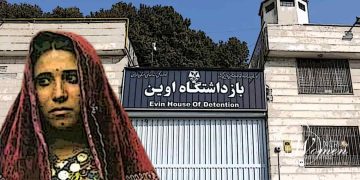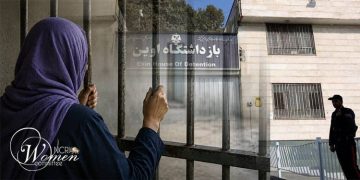


Sanandaj Prison, located on Ershad Boulevard in the western Iranian city of Sanandaj, Kurdistan Province, provides a grim example of the appalling conditions faced by prisoners under the Iranian regime. This report delves into the living conditions, systemic neglect, and abuse endured by inmates, particularly women, in this notorious facility.
Layout and Facilities
The women’s ward of Sanandaj Prison is reached after passing through several courtyards. It consists of four sections, each designated for different groups:
- Moral offenses
- Political prisoners
- Drug-related charges and addiction cases
- Those accused of murder
These sections are essentially small rooms measuring 30–40 square meters, offering limited and overcrowded accommodation. Opposite these rooms, the ward office and visitation area are located, alongside four unhygienic toilets shared by all inmates.
A separate area contains two additional rooms, one used as a quarantine space and the other reserved for “special circumstances.”
There are only three showers for the entire women’s ward, located in a confined space near the prayer room and ward management offices.
Medical Neglect
On the upper floor, a clinic exists but fails to provide even basic medical care to inmates. This neglect extends to other areas of the prison; a carpet-weaving workshop and a handicrafts center ostensibly serve as vocational training spaces but are often repurposed during protests to house an influx of detainees.
During the widespread protests of late 2022, many women were crammed into these workshops without any basic amenities, given only one blanket for every two or three detainees.

Interrogation and Psychological Abuse
Women detained during protests frequently endured blindfolded transfers to interrogation sessions conducted by intelligence officers and the Revolutionary Guard Corps (IRGC). These interrogations were marked by extended durations and psychological torment. Detainees were threatened with electric chairs and subjected to degrading remarks targeting their ethnic identities, particularly Kurdish and Baluchi women.
In some instances, interrogators attempted to force confessions by shouting, “We have photos and videos of you!” before demanding signatures on documents the detainees were not allowed to read. These documents often falsely implicated the prisoners in crimes, such as the deaths of government officials, to justify their detention.
Lack of Basic Hygiene in the women’s ward of Sanandaj Prison
Sanandaj Prison fails to meet even the most basic hygiene standards. The women’s ward has a small shop open for just one hour daily, accessible only to long-term inmates. Essential items, including personal hygiene products, are scarce. Prisoners often resort to crochet work or other handicrafts to earn minimal funds for purchasing necessities.
Even basic items like slippers are not readily available. Inmates must share a single pair to access the toilets. Infestations, including a lice outbreak in July 2024, have further worsened living conditions, with prison officials citing budget constraints as an excuse for inaction.
A Reflection of Broader Issues
The dire state of the women’s ward of Sanandaj Prison is emblematic of the broader systemic neglect within the Iranian prison system, which reflects the oppressive policies of the clerical regime. Those imprisoned include political dissidents, freedom fighters, and victims of the regime’s corruption and exploitation of public resources.
The inhumane conditions in Sanandaj Prison are a stark reminder of the urgent need for international intervention. The international community must hold the Iranian regime accountable for its human rights violations, ensuring better treatment of detainees and broader prison reforms.