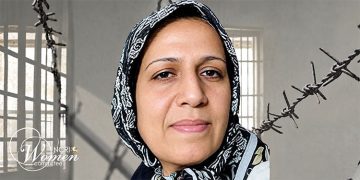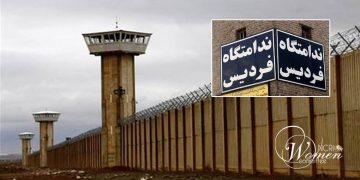


Female political prisoners in Evin Prison, particularly those participating in the “No to Executions Tuesdays” campaign, have faced a new wave of restrictions and security pressure in recent weeks.
Prison authorities have systematically, on an almost daily basis, deprived some prisoners of phone calls and family visits under various pretexts. These measures come despite the fact that many female political prisoners had already been subjected to similar restrictions in the past.
A significant part of the recent hardline policies in the women’s ward of Evin Prison is being implemented under the supervision of Hossein Yousefi, the prison’s deputy health official. He was appointed to the position following the death of Rouhollah Tavassoli during the bombing of Evin Prison.
Since Yousefi’s appointment, pressure on female political prisoners has intensified considerably, particularly regarding in-person visits, telephone access, access to welfare facilities, and medical services. Families of prisoners and sources close to them state that many of the decisions related to the new restrictions are imposed without clear explanation and outside any transparent administrative process, leaving prisoners with virtually no effective means to challenge them.
Conditions surrounding medical care in the women’s ward of Evin Prison have also become a major concern. Several female political prisoners suffering from various illnesses face restrictions on access to medication, specialist physicians, and transfers to medical facilities outside the prison.
The denial of adequate medical treatment and delays in medical care, combined with the psychological pressure caused by communication restrictions, have made living conditions for female political prisoners in Evin Prison increasingly difficult and alarming.