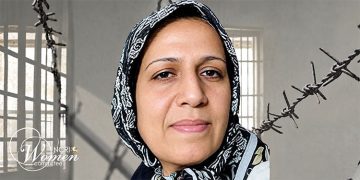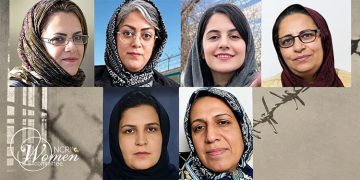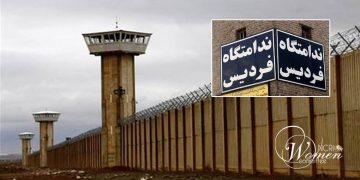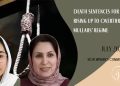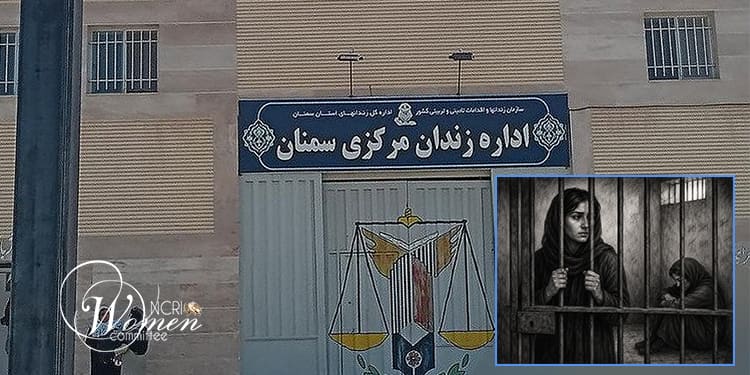
On Saturday, May 23, 2026, judicial authorities in Iran’s Semnan province announced a combined sentence of 53 years in prison for two political prisoners, Leila Ramezani and Fatemeh Malek-Ahmadi.
The charges leveled against them include “sending videos to opposition television networks” and “transmitting content and information.”
Fatemeh Malek-Ahmadi was sentenced to 26 years in prison, while Leila Ramezani received a 27-year sentence. In addition to their prison terms, both women face a series of severe social and civil bans, including being barred from government public service, a ban on international travel, and a lifetime restriction on joining political parties or socio-political groups.
The issuance of these heavy prison sentences, combined with extensive additional civil penalties, reflects an intensifying crackdown on women and people across Iran.
Intensifying Crackdown Under the Guise of Security and Wartime Measures
In recent months, the clerical regime has arrested hundreds of individuals on security-related charges such as “communicating with opposition networks,” “propaganda against the regime,” or “cooperating with foreign media and institutions,” handing down heavy sentences in the process.
As is typical in the vast majority of such cases, the details surrounding the arrest, interrogation, and trial proceedings of political prisoners Leila Ramezani and Fatemeh Malek-Ahmadi have not been transparently reported. Evidence suggests they were denied fair access to independent legal counsel.
Ahmad Radan, the Commander-in-Chief of the regime’s State Security Force (SSF), announced on May 17, 2026, that more than 6,500 people had been arrested between the start of the war and that date.
This shocking statistic highlights the massive scale of human rights violations underway, as well as the regime’s deep-seated fear of a future nationwide uprising.