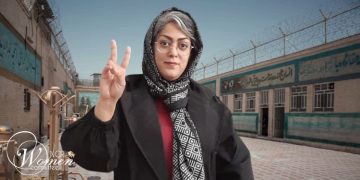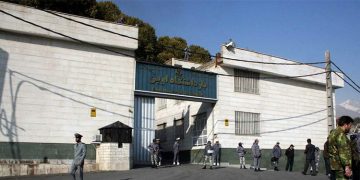
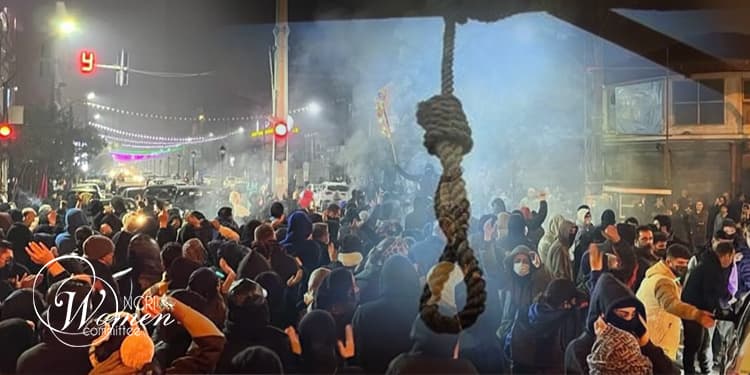
Iran regime has sentenced Maryam Hodavand, a 45-year-old political prisoner held in women’s ward of Evin Prison, to death for her involvement in the January 2026 nationwide protests.She has two children.
Handed down by Tehran’s Revolutionary Court, this verdict makes Hodavand the third female protester to face execution in recent months, signaling a brutal escalation in judicial crackdowns.
The sentence was issued amid reports pointing to a lack of transparency in the judicial process, denial of her right to choose legal counsel, and the case’s reliance on confessions obtained under pressure.
Fair Trial Violations Raise Serious Concerns
During the judicial process, Hodavand was denied the right to an attorney of her choice, and court sessions were reportedly conducted without the presence of independent legal representation. To date, no clear information has been released regarding the timing of her arrest, the process of case formation, details of court hearings, or the legal evidence underpinning the verdict.
In numerous cases related to the nationwide protests, judicial proceedings have been conducted rapidly and without thorough examination of evidence, effectively stripping defendants of the opportunity to mount a meaningful defense.
Reliance on Coerced Confessions
Cases tied to the protests, including that of Maryam Hodavand, have frequently been built on confessions reportedly obtained under duress during security interrogations. In many instances, no independent or verifiable evidence has been presented.
Three Women Facing Execution
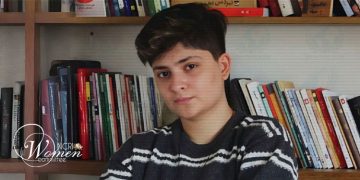
With the issuance of this sentence, the number of women facing execution in cases related to the January 2026 nationwide protests has risen to three, following the previous sentencing of Bita Hemmati and another unidentified detainee.
These death sentences represent the latest phase of the Iranian regime’s intensified campaign to stifle dissent. With reports confirming that thousands have already been killed since the uprising began, these judicial rulings serve as a grim tool in an unprecedented escalation of systematic suppression targeting female protesters and political detainees.