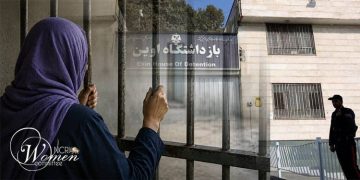


Reports received indicate that Qarchak Prison in Varamin, which holds female prisoners, is facing a critical situation under current wartime conditions.
A number of staff members from various sections of the prison, including medical personnel, infirmary staff, administrative employees, and even prison guard units, have reportedly left their posts. As a result, many matters related to the management and welfare of prisoners have been left in a state of uncertainty.
The absence of staff has severely disrupted the processing of inmate requests, the distribution of basic supplies, and the provision of medical services. Prisoners have complained about the lack of response from prison authorities and are facing numerous difficulties in securing their basic needs.
At the same time, legal experts are warning that, in order to prevent potential dangers, the implementation of Resolution No. 211 of the Supreme Judicial Council is essential under the current wartime circumstances.
Shortage of Drinking Water and Closure of the Prison Store
One of the most serious problems in Qarchak Prison is the shortage of safe drinking water. Even prior to the current wartime situation, the prison had struggled with access to clean and safe water.
With the escalation of the conflict, the crisis has intensified, and prisoners now face significant restrictions in accessing drinking water.
Meanwhile, the prison store has also ceased operations. The closure of the store has created serious obstacles for prisoners attempting to obtain essential goods and has further worsened their living conditions. As a result, many inmates are struggling to secure their most basic necessities.
Poor Health and Sanitary Conditions
Qarchak Prison, which was established in a building that previously functioned as a poultry facility, has long suffered from structural and infrastructural deficiencies.
Reports point to contaminated drinking water, poor-quality food, a shortage of medical equipment, and inadequate ventilation as chronic problems within the facility.
Severe overcrowding in prison wards is another major concern. Due to the lack of adequate space, many prisoners are forced to sleep on the floor.
According to multiple sources, the prison infirmary also lacks essential medical equipment. The absence of basic devices such as blood pressure monitors, oxygen equipment, and facilities for specialized medical examinations has been reported as a serious issue.
Urgent Need to Implement Resolution 211 in Wartime Conditions
Under the current circumstances, legal experts are emphasizing the necessity of implementing Resolution No. 211 of the Supreme Judicial Council, which was adopted in 1986 to manage emergency situations arising from wartime conditions.
Under this resolution, the judiciary is obligated to take necessary measures to protect the lives of prisoners. These measures may include converting detention orders, granting conditional release, accepting bail or surety, and transferring prisoners to safer locations.
According to this regulation, if ordinary conditions are insufficient to ensure the safety of detainees, prosecutors may temporarily release non-dangerous prisoners until the emergency situation is resolved.
Legal experts stress that given the current wartime conditions and potential risks, implementing this resolution is essential to reduce dangers and protect the lives of prisoners.