

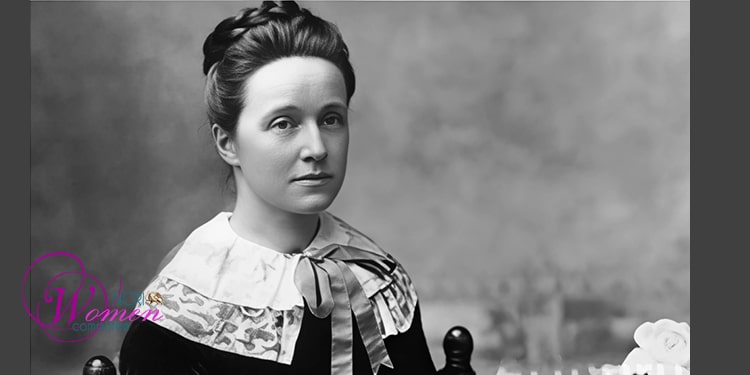
Millicent Fawcett (Millicent Garrett Fawcett) (11 June 1847 – 5 August 1929) was one of Britain’s most influential suffragists and a central architect of the peaceful campaign that secured women’s right to vote. A tireless advocate for gender equality, Fawcett shaped the women’s suffrage movement through strategy, persistence, and moral authority rather than militancy.
Born in Aldeburgh, England, Millicent Garrett Fawcett grew up in a progressive family that valued education and reform. Her sister, Elizabeth Garrett Anderson, became Britain’s first female physician—an achievement that deeply influenced Millicent’s lifelong commitment to women’s rights. After marrying Liberal MP Henry Fawcett, she emerged as a formidable political thinker and writer, championing equal education, employment opportunities, and legal rights for women.
Fawcett is best remembered as the longtime leader of the National Union of Women’s Suffrage Societies (NUWSS), which she led from 1897 to 1919. Under her leadership, the NUWSS grew into a nationwide organization advocating constitutional, non-violent methods to secure the vote. Her steady approach stood in sharp contrast to the militant tactics of the suffragettes, yet it ultimately proved decisive.
In 1918, British women over the age of 30 won the right to vote—a historic victory Fawcett lived to see, followed by full voting equality in 1928. Beyond suffrage, she campaigned against child marriage, supported women’s education, and advanced social reform across Britain and the wider empire.
Today, Millicent Fawcett is remembered as a principled reformer whose quiet determination helped reshape British democracy and expand women’s rights worldwide.