
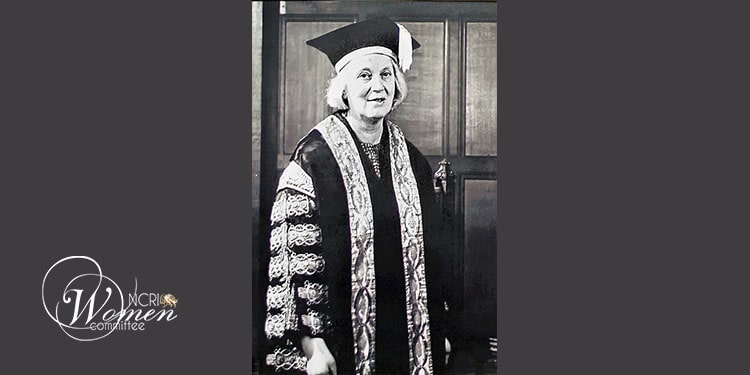
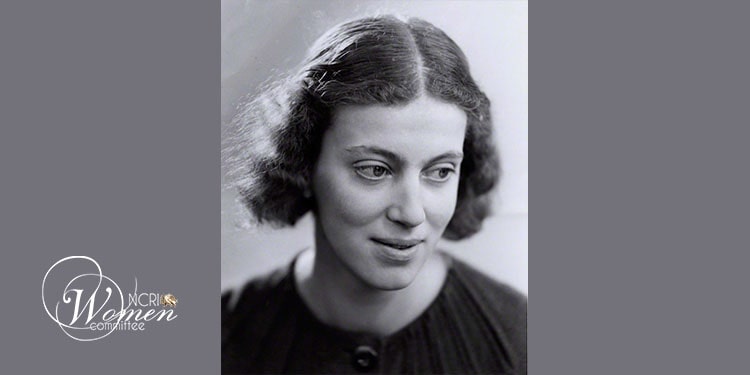
Dorothy Hodgkin (Dorothy Crowfoot Hodgkin) stands as one of the most influential scientists of the 20th century—a pioneer whose brilliance in X-ray crystallography reshaped modern chemistry, medicine, and molecular biology. As the only British woman to win a Nobel Prize in Chemistry, Hodgkin combined intellectual daring with patient precision, uncovering the invisible structures that govern the living world.
Early Life: Curiosity in the Sands of Sudan
Born on 12 May 1910 in Cairo and raised in the Sudan, Hodgkin’s early world was a tapestry of archaeological digs, desert horizons, and books sent by post to remote outposts. Encouraged by scholarly parents, her fascination with crystals began in her teenage years and quickly deepened into a lifelong scientific obsession.
The Oxford Years: Breaking Barriers in British Science
In 1928, Hodgkin entered Somerville College, Oxford—one of the rare academic spaces open to women at the time. Intellectually fearless, she gained early access to advanced X-ray equipment and later studied under J.D. Bernal, who helped shape her groundbreaking work in crystallography.
Cracking the Molecules that Matter
Penicillin (1945)
Hodgkin cracked the structure of penicillin during World War II, revealing its signature beta-lactam ring and laying the groundwork for the antibiotic revolution.
Vitamin B12 (1956)
Her six-year effort to decipher the intricate structure of Vitamin B12 stunned the scientific world. In recognition of this achievement, she received the Nobel Prize in Chemistry 1964.
Insulin (1969–1980s)
Hodgkin’s multi-decade pursuit of insulin’s structure ultimately enabled modern diabetes treatments, marking one of her most impactful scientific legacies.
A Scientist with a Global Conscience
Beyond the lab, Hodgkin advocated international cooperation, peace, and access to medicine. Her circle included world leaders, young scientists, and former students—including future UK Prime Minister Margaret Thatcher.
Perseverance in the Face of Pain
Despite debilitating rheumatoid arthritis that progressively deformed her hands, Hodgkin continued her research with quiet determination, adapting tools and techniques so she could keep working.
Legacy: The Woman Who Saw Molecules
Dorothy Hodgkin died on 29 July 1994, leaving behind a scientific legacy that continues to shape modern medicine. Her work laid the foundation for structural biology and rational drug design, and she remains a global symbol of scientific brilliance, resilience, and trailblazing achievement.