Field reports and testimonies from inside Qarchak Prison in Varamin reveal a harrowing picture of the death of prisoners, unfolding under medical neglect, systemic corruption, and the absence of effective oversight.
Qarchak prison, long recognized as a symbol of humanitarian disaster within the clerical regime’s prison system, has become a place where the lives and dignity of hundreds of women are slowly being destroyed.
According to credible data, Qarchak lacks even the most basic medical and sanitary standards. Its management is deeply entrenched in corruption, nepotism, and discrimination.
There is no official medical record-keeping for patients, and the prison’s infirmary is devoid of essential medicines and proper medical care, factors that have accelerated the deaths of sick prisoners.
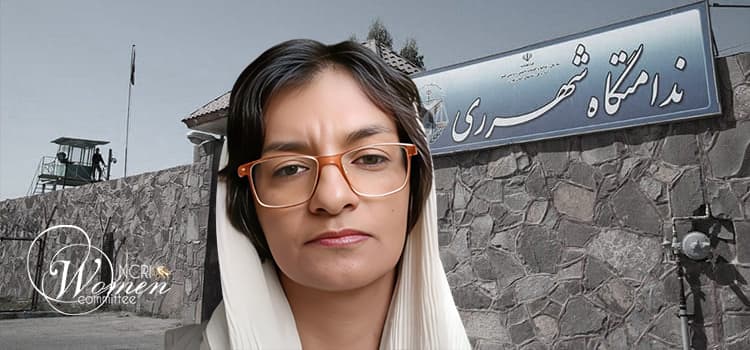
The Death of Somayeh Rashidi: A Symbol of Institutional and Moral Collapse
One of the most tragic cases is that of Somayeh Rashidi, a political prisoner who died after a hunger strike protesting inhumane conditions. Despite repeated pleas for medical attention, she was denied hospital transfer and received no basic treatment. Her body was returned to her family without any official explanation or transparent investigation, an emblem of institutional decay and cruelty.
At Least 23 Deaths in a Year: Total Secrecy, Zero Accountability
Sources inside the prison report that at least 23 women have died in Qarchak since mid-March this year, none of whose names or causes of death have been mentioned in official reports.
Most deaths were due to treatable illnesses. Even the symbolic summons of the prison’s head of healthcare, a man named Habibian, has failed to bring any meaningful change to the catastrophic situation.
The Right to Life as Leverage: Judicial Abuse and Medical Denial
Several inmates suffer from severe illnesses, including bilateral ovarian cancer and endometriosis, with doctors emphasizing the urgent need for hospital treatment. Yet Judge Shouli, the prison’s supervising magistrate, has deliberately blocked medical permissions, demanding bail amounts up to ten times the legal standard.
This practice clearly illustrates the abuse of judicial power, turning the right to life into a tool of financial extortion and psychological torture.
One inmate gave a chilling testimony: “In Qarchak, life has a price. If you pay, you live. If not, it’s just a matter of time before you die.”
Structural Corruption and Familial Networks of Power
Investigations reveal that corruption in Qarchak’s administration operates through family-based patronage networks. For example, Akrami (Allahqoli), the deputy for health, is the sister of a former ward chief, while prison commissaries are managed by relatives of senior officials. These shops sell low-quality goods to prisoners at several times the normal price.
The wife of Tehrani, the head of prison security, is also involved in these economic networks, an entrenched system of internal profiteering that makes transparency and accountability virtually impossible.
Repression of Dissent and a Public Health Catastrophe
Any protest against prison conditions is met with threats, verbal abuse, and physical punishment. Prisoners say the only form of protest available to them is hunger strike.
Health conditions are catastrophic: The drinking water is contaminated, the sewage from Blocks 4 to 10 is connected to a single well and overflows into the exercise yard, and the air quality is so polluted that it causes headaches, nausea, respiratory problems and long-term illnesses among the prisoners.
Legal Violations and the Illegal Detention of Women Eligible for Release
Hundreds of women who are legally eligible for release, either with electronic bracelets or through parole, remain unlawfully detained.
Kolivand, the prison’s deputy for judicial affairs, has systematically blocked their release.
A Call for Immediate International Action
Today, Qarchak Prison stands as a symbol of the silent extermination of women prisoners in Iran. Hidden deaths, administrative corruption, medical negligence, and the systematic repression of dissent reflect a deeper humanitarian crisis.
The NCRI Women’s Committee urges immediate international intervention, including the deployment of independent human rights delegations and the accountability of responsible officials.