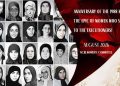

In the summer of 1988, a dark chapter unfolded in Iran—the massacre of 30,000 political prisoners. The 1988 massacre stands as the largest crime against humanity since World War II, yet it remains unpunished. The Iranian people declare that they will “neither forget nor forgive.”
Amnesty International’s report, aptly titled “Blood-Soaked Secrets,” reveals the grim truth about the 1988 massacre: thousands of victims’ deaths remain unrecorded, their bodies hidden in unmarked mass graves scattered across the country. For over three decades, Iranian officials have denied the existence of these graves, causing immeasurable pain to families desperate for information about their loved ones’ fate and resting place.
Geoffrey Robertson, a former UN judge and prominent human rights lawyer, sheds light on the 1988 massacre: As the Iran-Iraq war drew to a close, prisons filled with dissidents were abruptly quarantined. Family visits ceased, radios fell silent, and prisoners languished in their cells, denied exercise or medical care. Only one type of visit was permitted—a solemn procession led by a bearded and turbaned committee arriving in state-owned BMWs. This committee consisted of a religious judge, a public prosecutor, and a representative from the Ministry of Intelligence. Each prisoner faced them briefly, their lives hanging on a single question: allegiance to the Mujahedin. Those who affirmed it were blindfolded and led to the gallows. Refrigerated trucks awaited, carrying bodies to unmarked graves under cover of darkness. Thousands perished in this merciless manner, without trial or appeal.
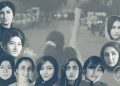
Amidst this horror, brave Iranian women stood tall. In Ahvaz prison, two executioner clerics—Jazayeri and Abdollahi—demanded a choice: Khomeini or Massoud Rajavi? From the end of a dim corridor, a defiant voice rang out: “Long live Massoud, death to Khomeini.” It belonged to Sakineh Delfi, a 26-year-old woman. Guards attacked her, but her cry echoed. The next day, 349 prisoners from that section met the gallows.
These victims—youthful, passionate, and self-sacrificing—defied tyranny. They etched an indelible “No” into Iranian women’s history, a golden testament to courage.
In the scorching summer of 1988, thirty thousand unwavering PMOI members and supporters, committed to freedom and their people, faced the “Death Committees” across Iran. Their refusal echoed through time, a cry for justice that still reverberates, even 36 years later.