
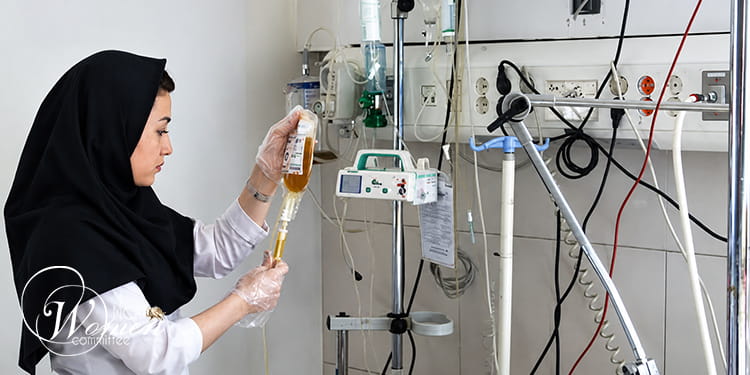
Women nurses in Iran, who make up the majority of the country’s nursing workforce, have faced disciplinary cases, intimidation, forced pledges and reductions in income after pursuing workplace demands and labor rights. A recent case at Fayazbakhsh Hospital in Tehran reported by ILNA news agency on November 4, 2026, highlights the growing pressure on nurses who seek improved working conditions and fair compensation.
Hospitals and medical centers affiliated with the Social Security Organization have long struggled with staffing shortages, overcrowding and heavy workloads. Women nurses bear much of this burden, often working long shifts and mandatory overtime while receiving wages and benefits that fail to reflect their workload.
Nurses in these facilities have repeatedly protested low pay, delays in bonus payments, the incomplete implementation of nursing service tariff laws and disparities between their employment classifications and those of healthcare workers employed by the Ministry of Health.
A Year of Unanswered Demands
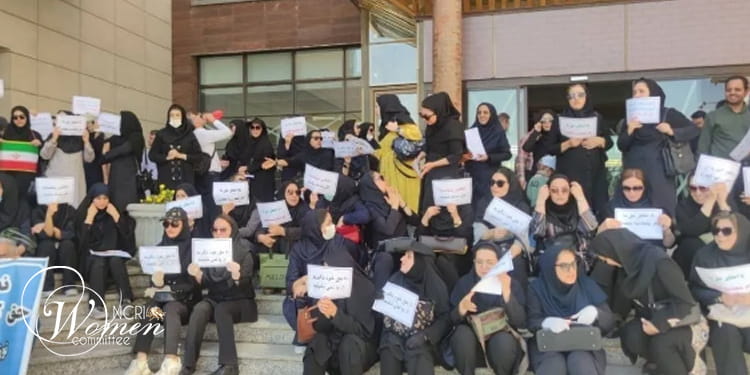
Nurses at Fayazbakhsh Hospital spent more than a year pursuing their demands through written petitions, negotiations and elected representatives. Despite these efforts, their grievances remained unresolved and officials failed to fulfill promises made to the nursing staff.
In August, a group of nurses staged a three-day sit-in on hospital grounds. Staff members said the protest remained peaceful and involved no slogans or confrontations. Its purpose was to draw attention to the nurses’ professional and economic concerns.
Representatives Summoned
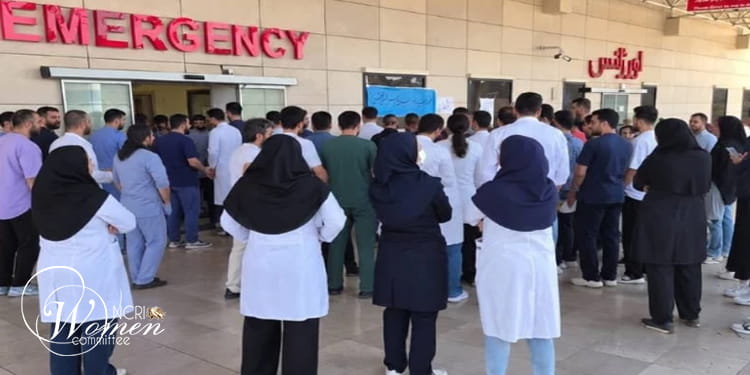
Several days after the sit-in, six nurses and healthcare workers who had been chosen by their colleagues as representatives were summoned to the hospital administration building.
Hospital personnel said the group was subjected to hours of questioning and had their mobile phones confiscated. One female nurse with a history of heart disease reportedly suffered a severe health crisis due to the pressure and was hospitalized in the facility’s cardiac care unit.
Disciplinary and Judicial Proceedings
According to nurses, judicial cases were opened against several staff representatives and accusations including “spreading false information” were brought against them. Workers insist that their activities were entirely labor-related and focused solely on pursuing professional rights and workplace demands.
Several of the nurses reportedly received suspended prison sentences and were ordered to perform community service at public welfare institutions.
Forced Pledges and Threats of Dismissal
One of the most troubling aspects of the case concerns the treatment of staff following the protest.
Nurses stated that around 100 employees were at one point threatened with dismissal or termination. Many were later allowed to return to work only after signing written pledges promising not to participate in future protests. Several employees who refused to sign such commitments reportedly lost their jobs.
These measures have come at a time when Iran’s healthcare system faces a severe nursing shortage and increasing migration among healthcare professionals.
Millions of Tomans Withheld from Nurses’ Benefits
Hospital staff also reported that part of the bonuses and incentive payments of several nurses had been withheld.
According to employees, between 16 million and 28 million tomans were deducted from the incentive payments and performance-related benefits of some nurses. The deductions have imposed significant financial pressure on workers who were already struggling with inadequate wages.
Several nurses said they lost a substantial portion of their monthly income despite continuing to work demanding shifts, further worsening their economic circumstances.
Officials Acknowledge Structural Problems
Some of the nurses’ concerns were also acknowledged by Ali Shah-Abbasi, Deputy Director of Treatment for Tehran Province’s Social Security Organization, who stated that disparities in employment classifications, years of limited recruitment and the weakening of nursing-related administrative structures had been among the sector’s longstanding problems.
Women Nurses Caught Between a Healthcare Crisis and Workplace Repression
Nursing in Iran remains a predominantly female profession. As a result, economic penalties, administrative pressure and disciplinary actions against nurses directly affect thousands of women and their families.
The events at Fayazbakhsh Hospital provide a stark illustration of the challenges facing many women nurses across Iran. While working under conditions of staff shortages and professional burnout, they continue to seek fair wages and better working conditions. Yet those efforts have been met with intimidation, disciplinary cases, forced pledges and financial penalties.
At the same time, the acknowledgment by officials that serious structural problems exist within the healthcare system underscores the legitimacy of many of the nurses’ demands and raises further questions about the treatment of those who sought to voice them.