
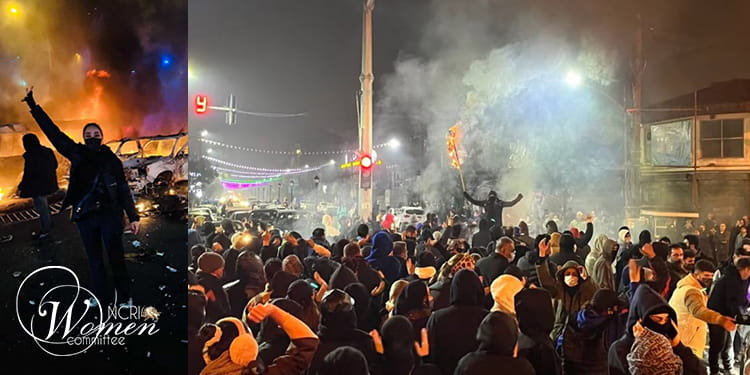
The nationwide uprising that erupted on December 28, 2025, and continued through January 2026 marked the moment when social protest and organized resistance fully converged.
The uprising began with strikes by Tehran’s bazaar merchants protesting the unprecedented collapse of the rial. Within days, protests spread across all 31 provinces.
On January 21, 2026, Ali Akbar Pourjamshidian, Secretary of the regime’s Supreme National Security Council, formally acknowledged the scope of the uprising, stating that protests had affected more than 400 cities and nearly 4,000 locations nationwide. Referring to Tehran alone, he admitted that “at times, there were simultaneous confrontations at 100 locations within the city.”
In some cities, people succeeded in driving away the regime’s repressive forces and took control of parts of the city for several hours. The peak of the Iranian people’s courageous protests, however, came on the nights of Thursday and Friday, January 8 and 9, 2026, when waves of demonstrators flooded the streets of most of Iran’s major cities, including dozens of districts in Tehran, Mashhad, Isfahan, Shiraz, Rasht, Karaj, and others.
The organizational character of the uprising was openly acknowledged by regime-affiliated media.
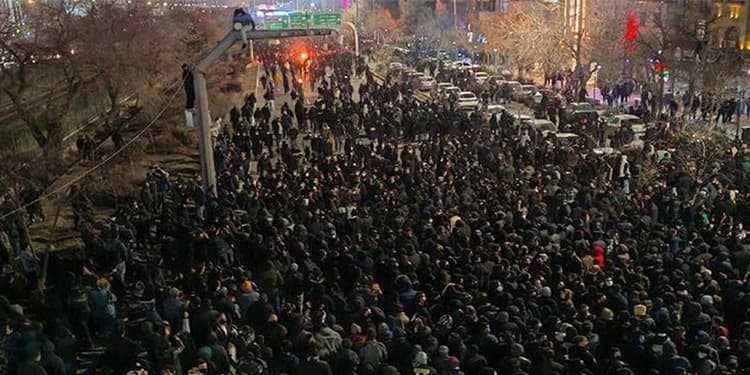
On December 29, 2025, Fars News Agency, linked to the IRGC, reported: “Eyewitnesses said that within crowds of around 200 people, there were cells of five to ten individuals present with slogans going beyond economic demands. Simultaneously, Maryam Rajavi called for a “chain of protests.”
These admissions confirmed that the uprising was not spontaneous or chaotic. It was the product of sustained social resistance and the active role of organized networks that linked local protests into a nationwide movement.
Leadership, Sacrifice, and a Heavy Price
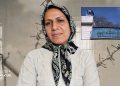
During the January 2026 uprising, women assumed decisive and structural leadership roles. Eyewitness accounts, social media reports, and regime admissions indicate that women, especially young women and female members of the Resistance Units, were at the forefront of the uprising’s expansion, continuity, and radicalization.
From the earliest days, women actively participated in the streets, universities, and urban neighborhoods: leading chants, blocking roads, organizing nighttime gatherings, and confronting security forces directly. In cities including Tehran, Mashhad, Shiraz, Isfahan, Rasht, Karaj, Bandar Abbas, Saravan, and Zahedan, women and young girls often constituted the majority or driving force of the protests.
Examples of targeted repression against women include:
- Raids on women’s dormitories in Tehran, with arrests of female students including Sarira Karimi, a student leader.
- Pepper-spray attacks on sit-in protesters in Isfahan’s Naqsh-e Jahan Square.
- Frontline participation in Mashhad, chanting “Death to the dictator.”
- Courageous demonstrations in Naziabad (Tehran), Marlik (Karaj), Shahrekord, Shiraz, Saravan, and Tehransar, where women blocked streets and stood in front of water cannon vehicles to protect protest routes.
Eyewitness accounts vividly describe women leading demonstrations and bringing families and children into protests despite extreme danger.
“Our girls—you have no idea what they’re doing. It’s the girls who are blocking the streets. They’ve torn out all the metal barriers on Enghelab Street and thrown them into the middle of the road,” said one witness.
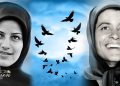
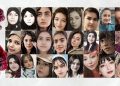
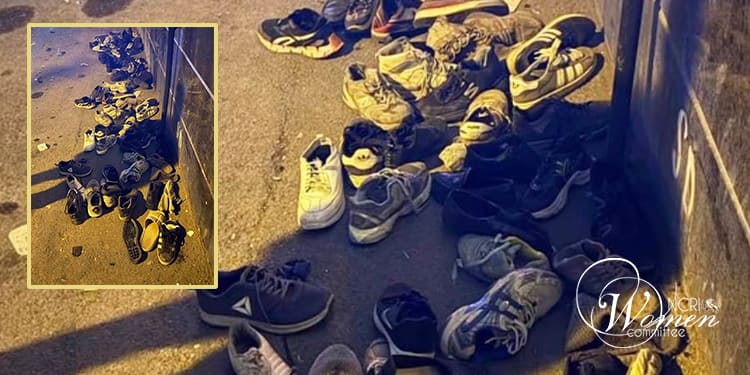
The cost of their leadership was immense, including hundreds of arrests and a high death toll. In some cities, such as Rasht, more women than men were killed, including pregnant women, mothers of multiple children, teenage girls, and elderly women.
The deliberate targeting of women, from direct gunfire to arrests, torture, and intimidation of families, reflects the regime’s fear of their central role. The uprising demonstrated that women are not only primary victims of repression but also the backbone of resistance and the driving force of Iran’s future democratic revolution.

Organized Massacre: Crimes Against Humanity
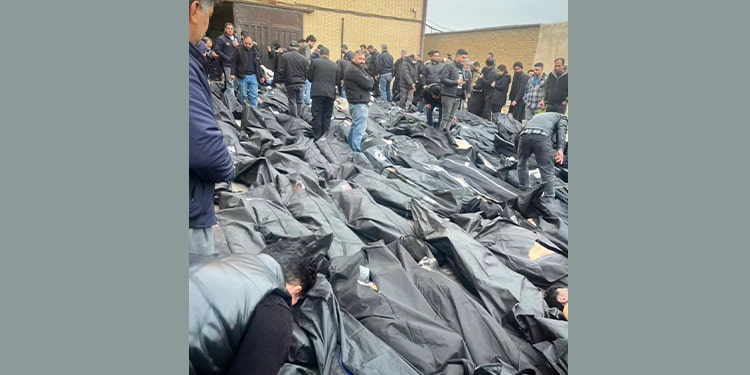
In response to the January 2026 uprising, the regime carried out unprecedented and bloody repression. From the night of January 8, security forces opened fire on protesters across multiple cities. The internet was cut off completely from 10:00 p.m., facilitating mass killings and widespread arrests.
On January 9, Ali Khamenei’s official speech effectively authorized continued killings, declaring that the regime would not yield to so-called “rioters.” Reports from various cities document the use of firearms, snipers on rooftops, heavy weapons, and targeted shootings to the head, eyes, and chest of protesters.
Summary executions, attacks on ambulances, hospital raids, and arrests of medical personnel were widely reported. In some areas, chemical agents replaced tear gas.
On January 17, Khamenei admitted the deaths of “several thousand people,” while attempting to blame foreign actors.